Christoph Dahlhausen and David Thomas: An Ongoing Dialogue New Works on Colour, Light and Time.
CHRISTOPH DAHLHAUSEN AND DAVID THOMAS: AN ONGOING DIALOGUE NEW WORKS ON COLOUR, LIGHT AND TIME
Jason Haufe: Unintentional Defamation
16.09.26 - 10.10.26
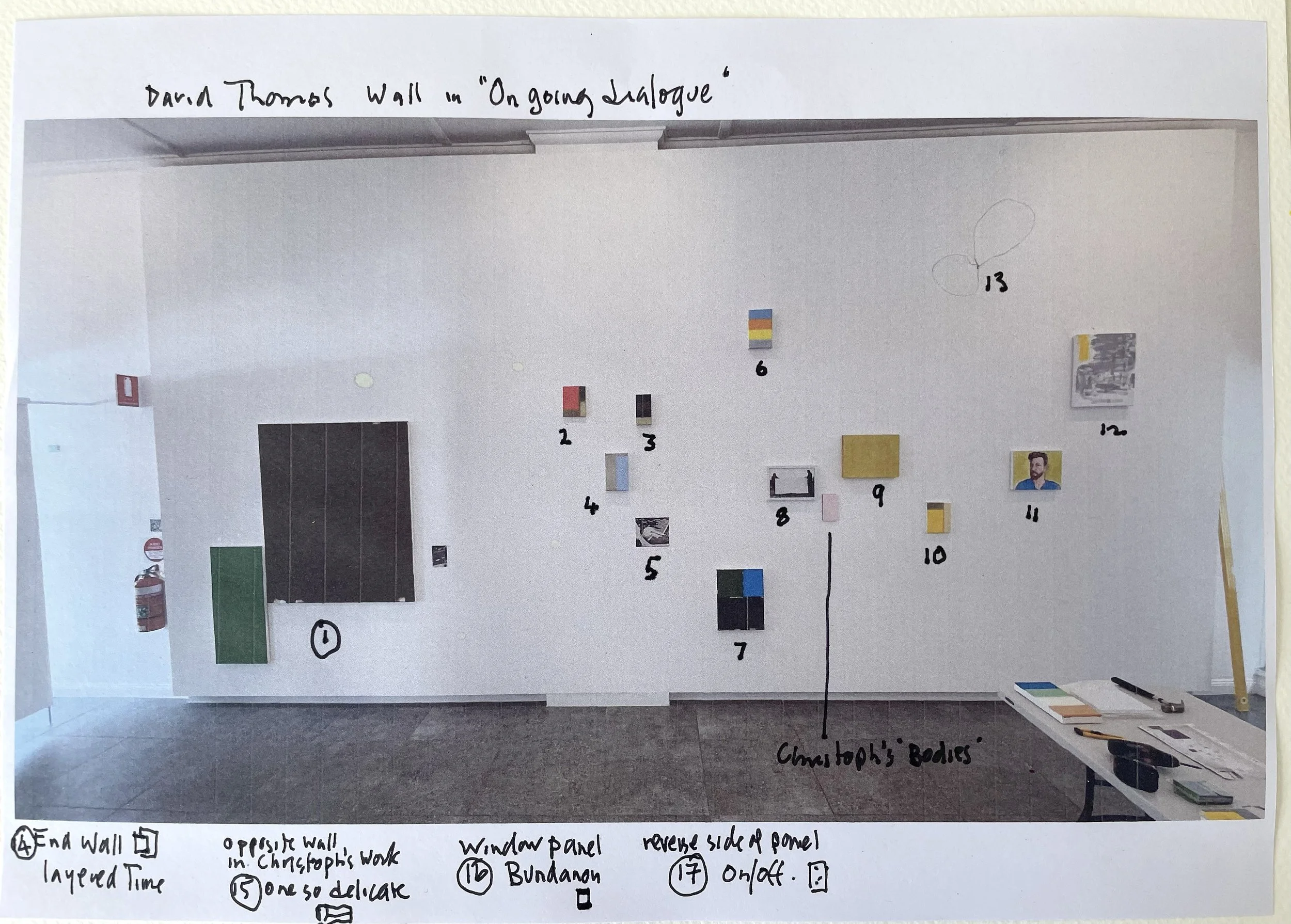
An Ongoing Dialogue: New Works on Colour, Light and Time
An Ongoing Dialogue: New Works on Colour, Light and Time brings together recent works by German artist Christoph Dahlhausen and Australian artist David Thomas, extending a dialogue between the artists that began more than two decades ago. Across their distinct practices, both artists investigate colour, light, time and the contingencies of perception.
Dahlhausen and Thomas first met in Cologne in 2003, when Thomas was exhibiting in Germany. Since then, they have participated in and curated more than twenty-five exhibitions together, including an exhibition at Kunsthalle Dominikanerkirche, Osnabrück, in 2007. Their respective practices engage with the legacies of minimal, post-minimal and conceptual art.
Light is fundamental to Dahlhausen’s work. Employing glass, mirror, reflective materials and colour, his works respond to and incorporate their surroundings. Reflection and transparency complicate the boundaries of the object, making architecture and ambient light integral to its appearance.
Thomas considers colour as both spatial and temporal. His reduced geometric structures explore subtle shifts in tone, proportion and position, situating colour in relation to surface, architecture and the duration of looking.
Placed in proximity, the works establish a series of correspondences while retaining the autonomy of each artist’s practice. Colour, reflection and light move between works and across the surrounding space, creating relationships that remain contingent on the conditions in which they are encountered.
The exhibition extends a longstanding exchange between Dahlhausen and Thomas, foregrounding the affinities and distinctions that have sustained their dialogue over more than twenty years.
Christoph Dahlhausen is an artist, curator and teacher based in Bonn, Germany. He works across installation and light-based artistic forms. Light, colour and space are the guiding principles of his artistic work. Both natural and artificial light, and its interactions with reflective and translucent materials, are at the centre of his installations and objects. Christoph has exhibited and curated extensively in museums and in institutional and commercial spaces in Europe, the USA, Mexico, Brasilia, Australia, and New Zealand. As a curator, he has been organising international exhibitions for various institutions since the 1990s. From 2003 to 2019, he ran the exhibition project spaces “proximus” and “raum2810” in Bonn.
David Thomas lives and works in Melbourne/ Naarm, Australia. His work explores the contemplative function of painting, photopainting and installation, in particular how new iterations of the monochrome tradition can explore the perception of time and space, complexity and impermanence. He holds a PhD from RMIT University, where he is an Emeritus Professor in the School of Art. He occasionally curates. Selected collections in Australia: National Gallery of Victoria, Australian National Gallery. Heide Museum of Modern Art. RMIT University, Cripp’s Collection, Australia and UK., Gippsland Art Gallery, Ballarat Art Gallery Victoria, Justin Art House Museum. Internationally: Chartwell Collection NZ, Auckland Art Gallery. Canterbury University, Christchurch, NZ. Lim Lip Museum, Gong Ju, South Korea. Theodor F. Leifeld Stiftung, Kunstmuseum Ahlen, Germany. Kunstmuseum Bonn, Germany; The Frederick Collection, Germany.
3 sides: kyle jenkins / giles ryder / david thomas
3 SIDES: KYLE JENKINS / GILES RYDER / DAVID THOMAS
Jason Haufe: Unintentional Defamation
26.08.26 - 11.09.26
3 sides
sides, curated by Jeremy Kibel, brings together Kyle Jenkins (Toowoomba), Giles Ryder (Thailand), and David Thomas (Melbourne). Across painting, sculpture and installation, the artists have developed distinct languages of abstraction through colour, material and space. KYLE JENKINS
KYLE JENKINS
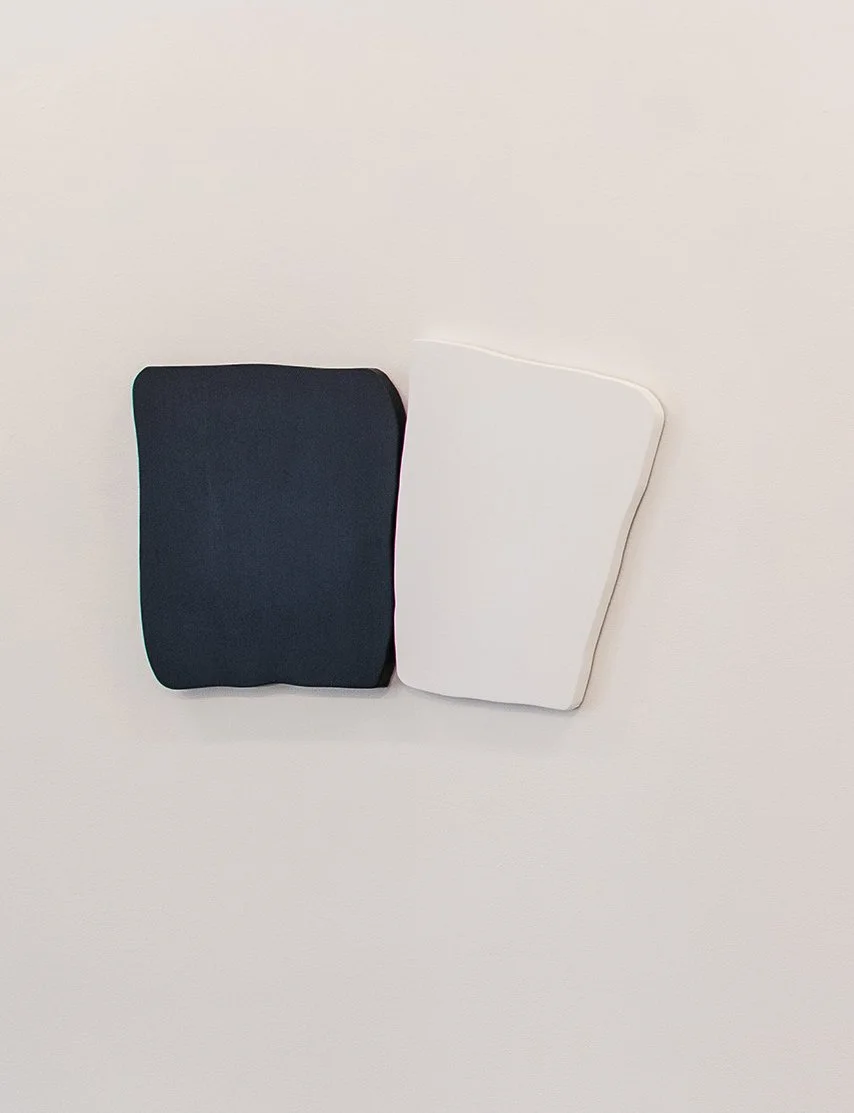
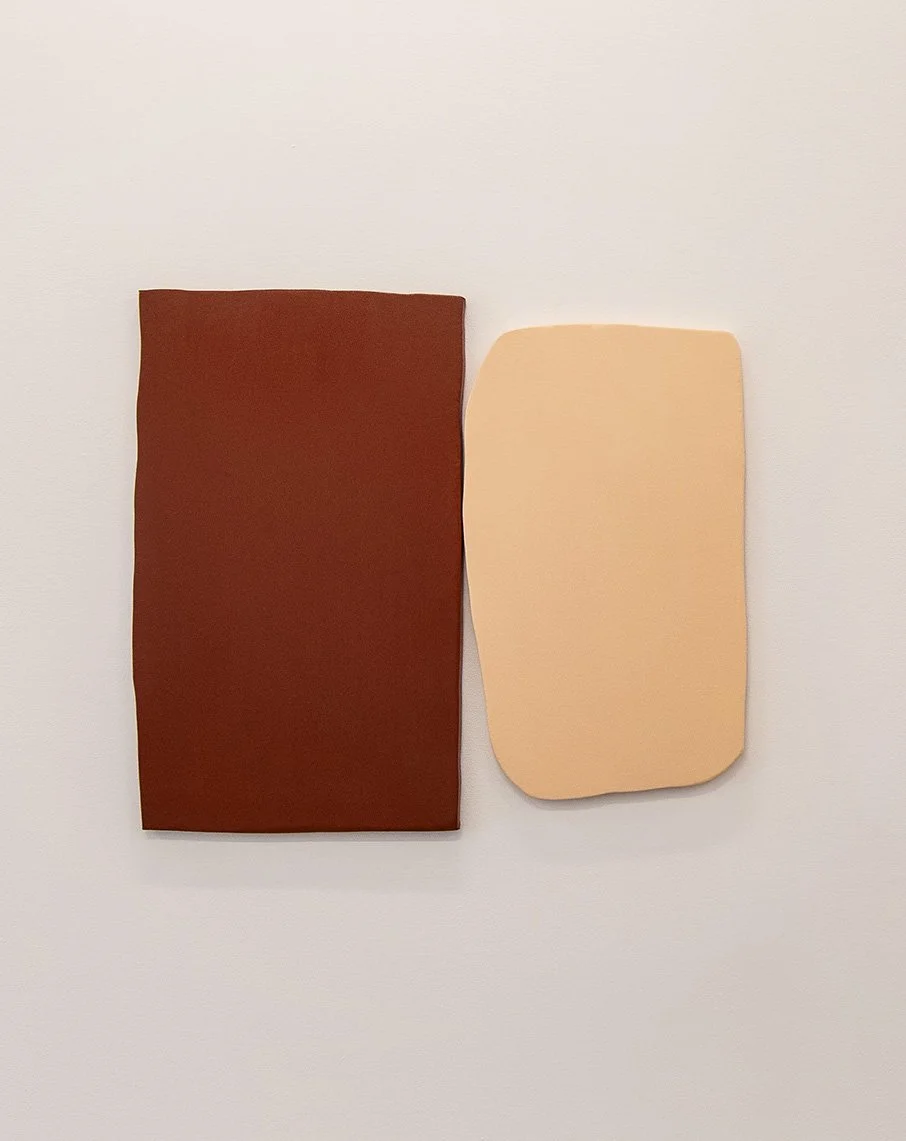
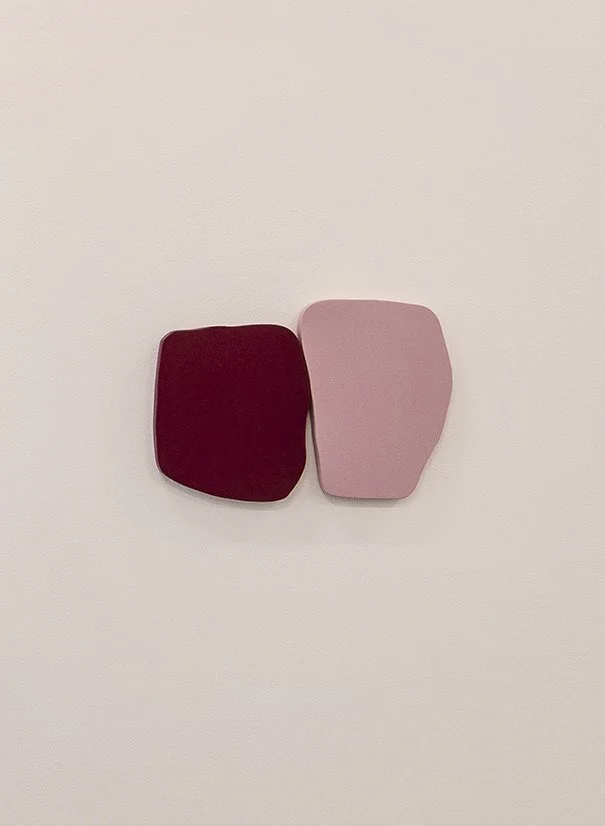
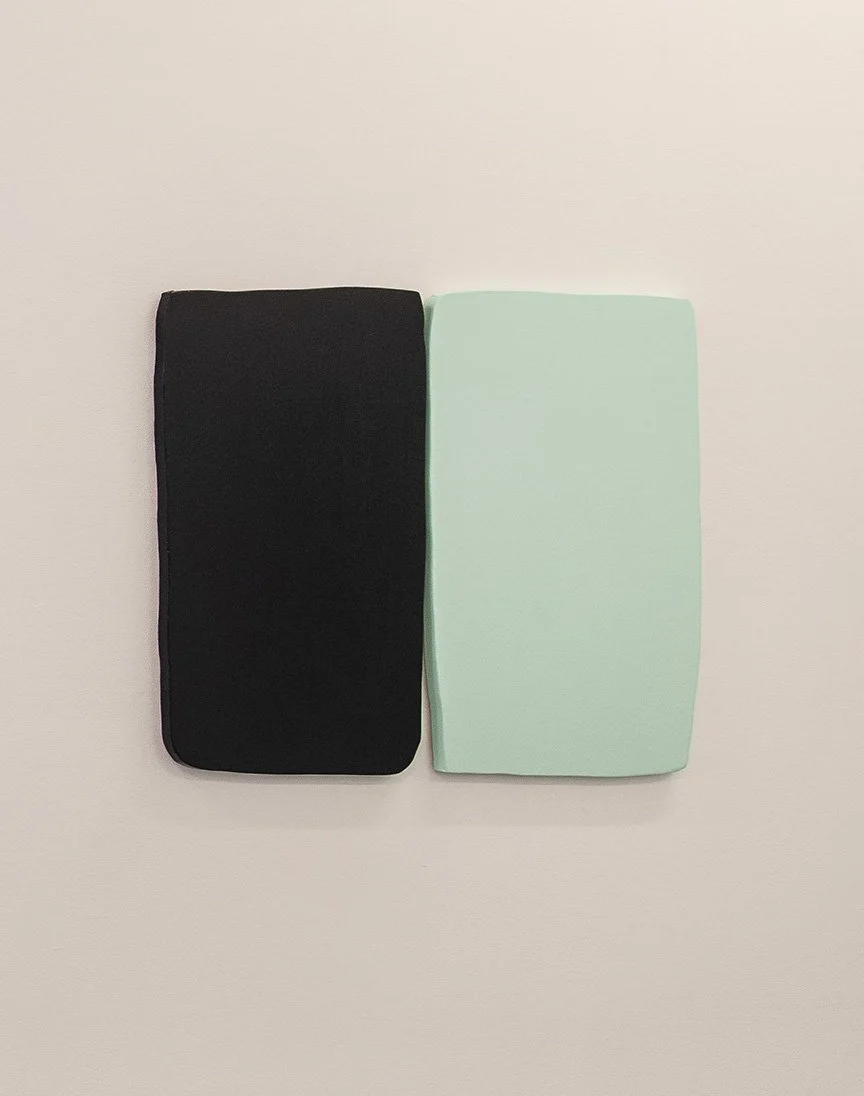
Kyle Jenkins’ Duo-Chrome Paintings brings together four works, each composed of two shaped monochrome canvases conceived as a single painting. Through colour, shape, scale and surface, Jenkins considers the fundamental conditions of painting.
Each pairing establishes a relationship in which colour is altered through proximity. The shaped supports bring the edge into play, placing each work in direct relation to the wall, architecture and viewer. Drawing on the histories of monochrome and geometric abstraction, Jenkins approaches these forms as an ongoing field of enquiry, using repetition and restraint to examine the relationships between colour, surface, object and space.
Rather than seeking a single or unified position, 3 sides considers what emerges between the works: where they meet, where they remain apart, and what becomes visible in the space between them.
The works are constructed through an iterative process of copying, alteration, and reconstruction. Beginning with the printed patterns found inside security envelopes, Haufe subjects his source material to successive acts of reproduction, scaling, inversion, and collage. As these operations accumulate, the original image gradually disappears. Copying no longer serves to preserve an image but to transform it, allowing new forms to emerge through repetition.
Composition develops through continual revision. Fragments are added, removed, rotated, and reworked until relationships of rhythm, density, movement, and interval begin to settle. Acrylic paint and occasional relief interrupt the regularity of the photocopied surface, reinforcing the work's shifting relationship between image and object.
GILES RYDER
Giles Ryder’s practice is grounded in geometric abstraction, using grids, repeated forms and intersecting lines across painted and constructed surfaces. Acrylic, transparent gesso, metallic and holographic pigments and glitter introduce reflective and translucent qualities to ordered compositions.
Ryder makes the construction of the painting visible. Canvas may be fitted with eyelets, suspended, or stretched across exposed steel frameworks. These methods bring structure and surface into direct relation. Geometric order is set against materials whose appearance shifts with changing light and viewpoint.
David Thomas
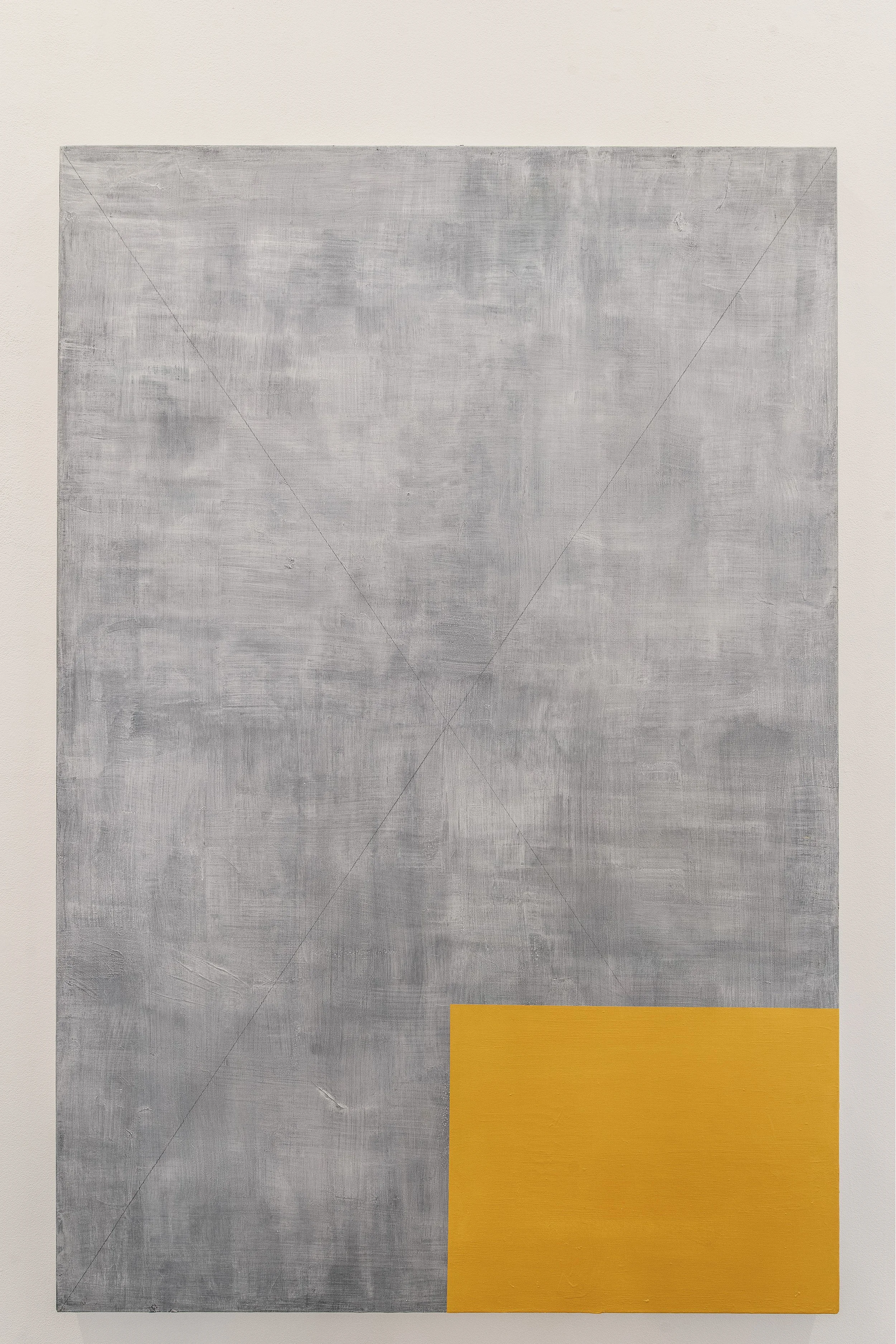
The monochrome is never encountered in isolation. Its apparent simplicity is contingent on the space, light, colour, and conditions through which it is perceived. Across his practice, David Thomas has returned to the monochrome as both a material presence and a temporal proposition, exploring its capacity to articulate experiences of time and space. Neither an endpoint nor an act of reduction, the monochrome functions here as an interval: a moment of suspension that heightens awareness of relationships within and beyond the work. In this sense, painting becomes less a self-contained object than a means of attending to the world around it.
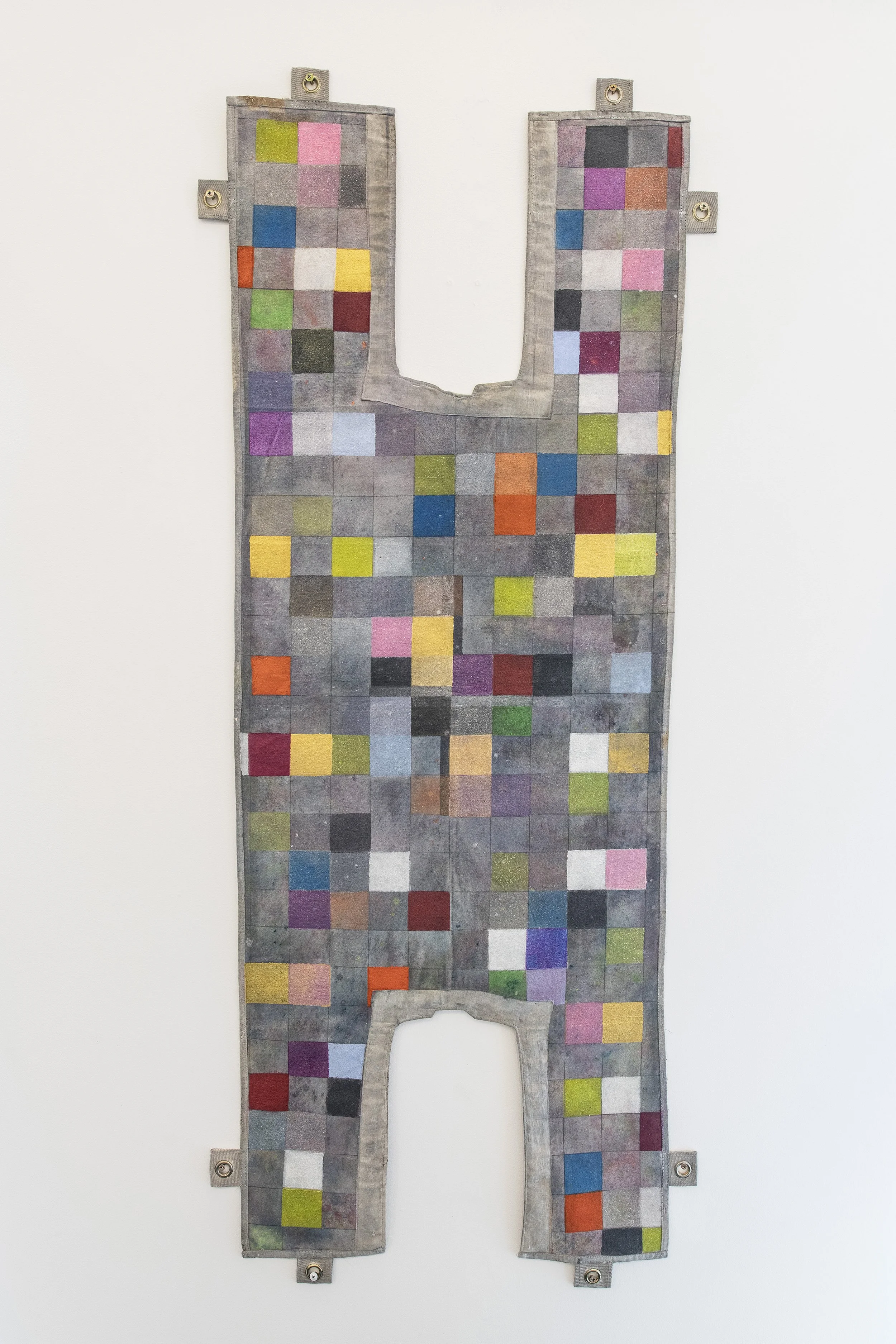
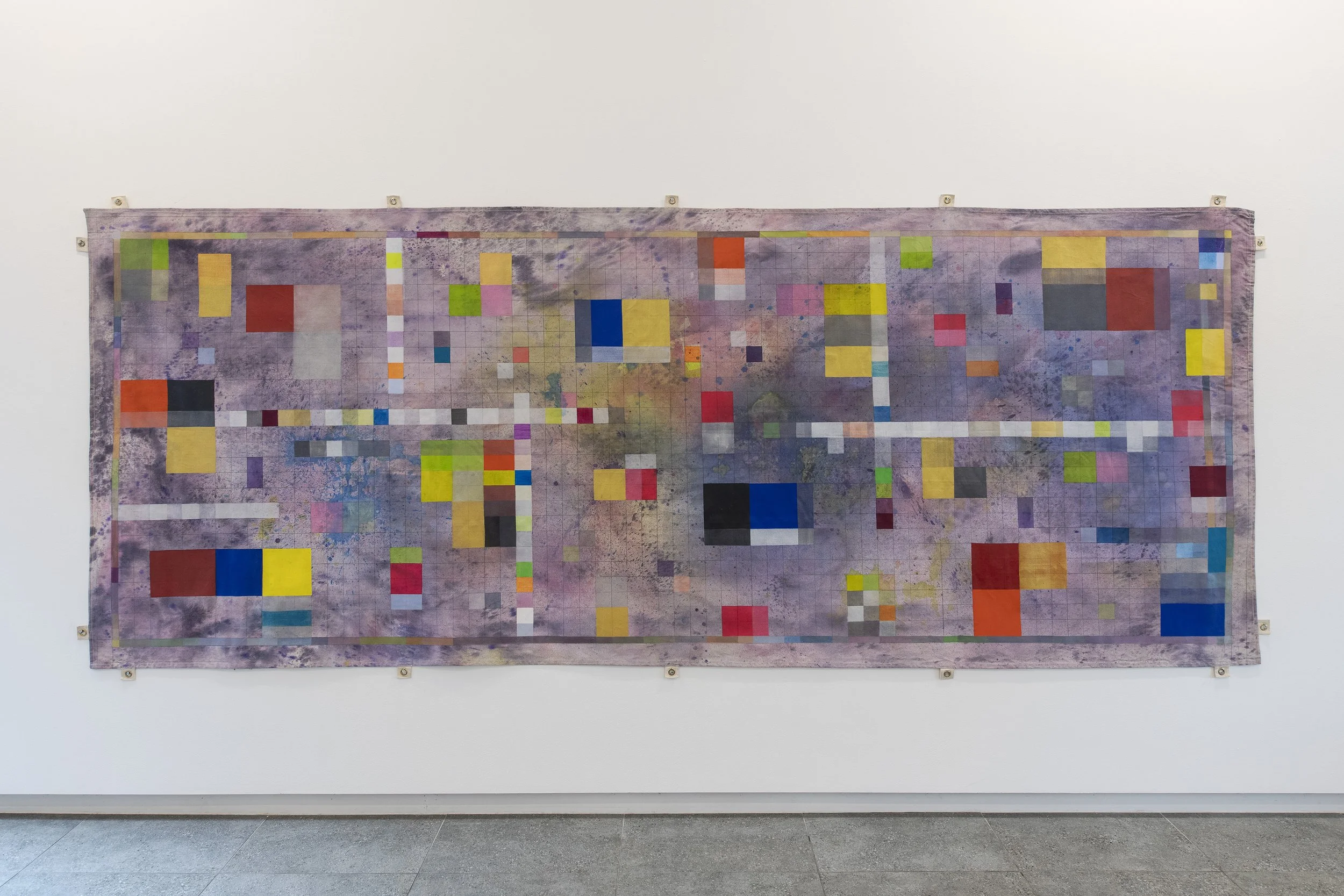
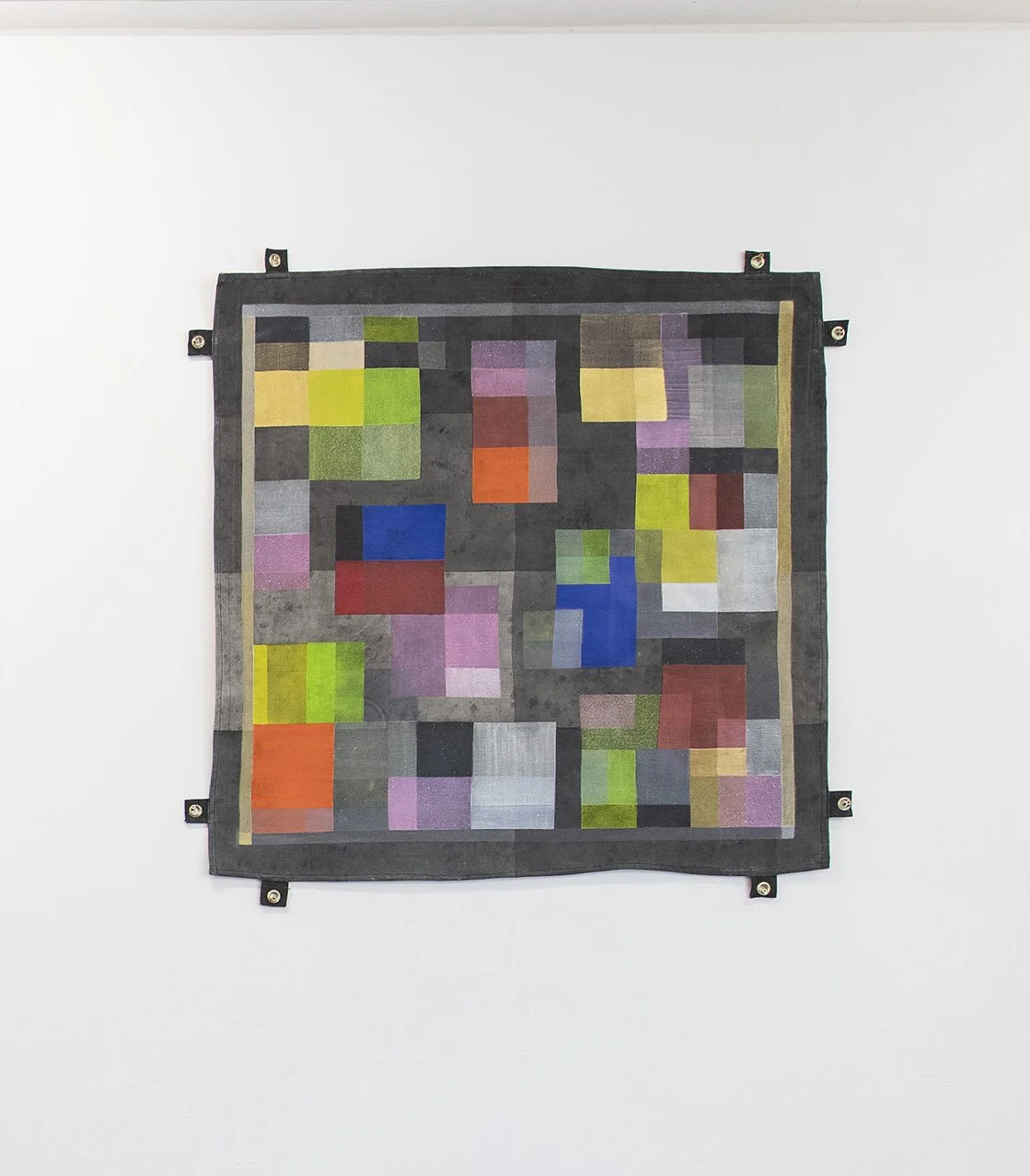
the distance between then & now: james clayden, sydney nolan, david thomas, jenny watson, fred williams
The Distance Between Then & Now
09.07.25 - 02.08.25


BLOCKPROJECTS presents The Distance Between Then and Now, a cross-generational exhibition curated by artist and gallerist Jeremy Kibel.
Here, time is not measured in years but in layers of memory, perception, and material. Bringing together five Australian artists, Jenny Watson, James Clayden, Fred Williams, Sidney Nolan, and David Thomas, the exhibition showcases works that span decades yet share a sustained engagement with the temporal nature of image-making.
Each artist navigates time in distinct ways: through autobiographical symbolism, gestural abstraction, reimagined landscape, or conceptual stillness. This is not a historical survey, but a meditation on how the past continues to shape the present and how painting can hold that continuity.
James Clayden, whose practice spans painting, experimental cinema, theatre, and music, contributes his monumental triptych Morning Window #1, #2, #3 (each 244 × 122 cm). Dense and immersive, these works hover between presence and dissolution. Writing on Clayden’s 2020 exhibition at BLOCKPROJECTS, critic Adrian Martin described his painting as “a game of fleeting projection and recognition... the eternal mystery of the horizon.” In Clayden’s hands, that horizon is less a boundary than a zone of psychological tension where form dissolves, re-emerges, and remains suspended.
Fred Williams’s Fallen Tree (1966) is a compact yet commanding painting in which the Australian bush is orchestrated with precision. Dominant vertical trunks are interrupted by the angled fall of a single gum, all framed within a circular composition that asserts quiet structural control. Williams once remarked that when the landscape offered “no focal point,” it had to be built into the paint. In Fallen Tree, the circle becomes a point that concentrates the eye and resolves the visual tension between vertical, diagonal, and horizontal movement.
What might in life appear unremarkable, a tree downed among others, becomes, through colour, compression, and painterly texture, an event of perception. Bark emerges through dragged pigment; the ground lifts gently toward a clear horizon. The everyday becomes extraordinary. The painting reads like a chord: upright trunks sustain the rhythm, the fallen tree cuts across it like an interval, and the horizon holds the final note. It’s a work that evokes “the seeing of sound and the sound of seeing” a synaesthetic charge common to Williams’s most poetic abstractions. Exhibited in Dealer’s Choice at Rudy Komon Gallery in January 1968, Fallen Tree stands as a pivotal expression of Williams’s evolving formal language.
Sidney Nolan’s Parkville (1944–45), a rarely seen early work, offers a lyrical portrait of wartime Melbourne suburbia. With softened contours and flattened perspective, the work captures not topographical specificity, but the mood of a moment. Formerly held by the Sidney Nolan Trust and exhibited at ICA London in 1962, Parkville trades the theatrical intensity of the Ned Kelly series for a quieter, more introspective atmosphere where houses, trees, and telegraph poles settle into a gently pulsing rhythm.
Jenny Watson’s Anointing (1991), first exhibited at Annina Nosei Gallery in New York, is a symbolic, intimate work rendered on fabric. Pairing stylised figuration with diaristic text, Watson’s visual language, shaped by feminist discourse and punk sensibility, transforms lived experience into archetype. Her paintings blur the line between confession and construction, where memory becomes a shared, visual script.
David Thomas’s Untitled (1990-1991), exhibited publicly for the first time, was painted during his residency at the Cité Internationale des Arts in Paris. Modest in scale and meditative in tone, the work reflects Thomas’s sustained inquiry into perception, light, and temporality. “I’ve enjoyed the opportunity to revisit these earlier pieces from my younger days,” he reflects not with nostalgia, but with renewed presence. This quiet painting rewards slow looking, offering a stillness that lingers beyond the canvas.
While diverse in approach, what unites these five artists is not a shared movement or moment, but a profound commitment to painting as a durational, meaning-making act. Their works resist spectacle and urgency, instead favouring depth, return, and resonance.
As Jeremy Kibel observes: “This exhibition is not about nostalgia. It’s about what persists what painting still carries after everything else has passed.”
Each work here reflects a lifelong dedication to painting not as a performance or product, but as a process. These are not images designed for quick consumption or instant affirmation. They are shaped through quiet attention: to place, to material, to memory. And it is within that space between intention and perception, between then and now, that something enduring continues to unfold.
ARTWORKS:


enquire.
david thomas : small works
David Thomas
07.09.22-01.10.22


Blockprojects Images | Installation Images courtesy of Heide Museum MOMA : Love Poem to Life 6th August - 6th November, 2022.
“It’s not a matter of painting life, it’s a matter of giving life to painting.” - Pierre Bonnard
ON PAINTING AND TIME
PAINTING’S RESURRECTION. As a young art student in the 1970s I learnt that painting was dead, not house painting, the other sort, on canvasesand the like. Apparently painting in the Western world died again in1980s after a “reactionary” revival. Recently however the situation has changed in Australia and abroad. Painting is back. (To be honest it never went away, all that was for dramatic effect). Today the radical potential of paintingisbeing re-valued and resurrected asa dynamic generator of ideas, forms,of knowing and feeling. Painting’s radicalism, complexity, diversity, materiality, historicity as a mobile field of imaginative and material play, reflection and research is being explored more now than ever.
ARTWORKS:


enquire.
now & then : 40 years of abstraction
08.04.2022 – 16.04.2022
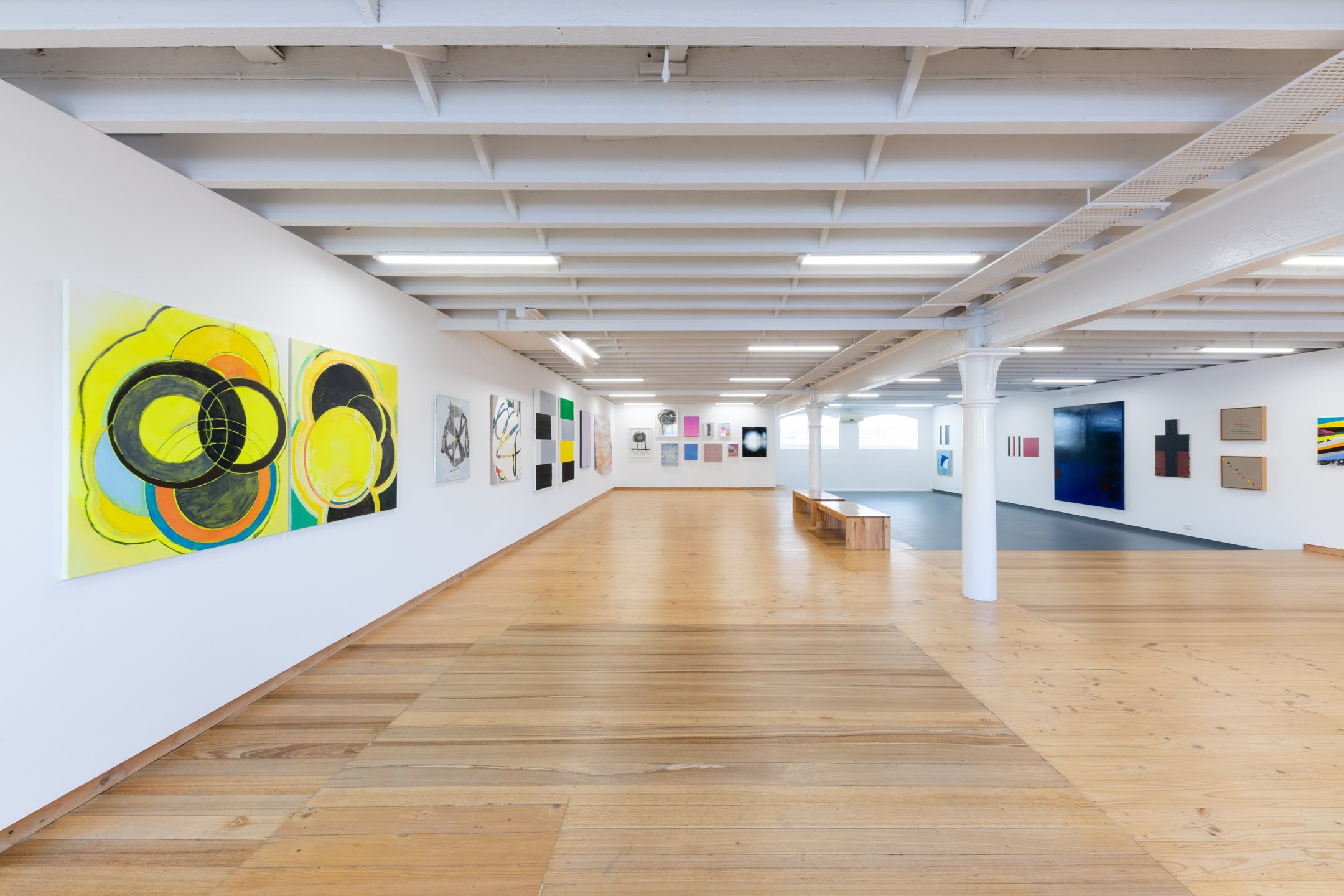
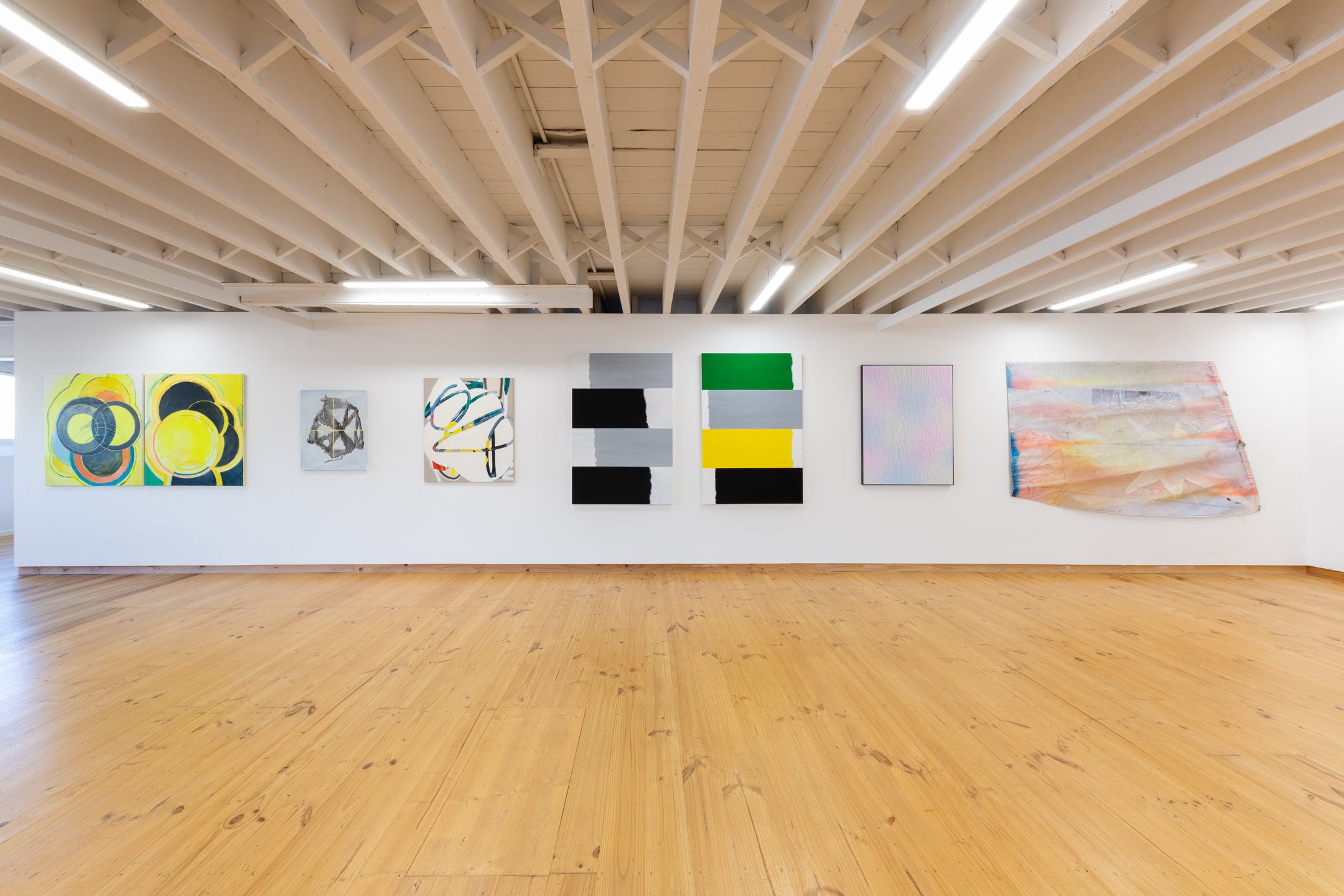
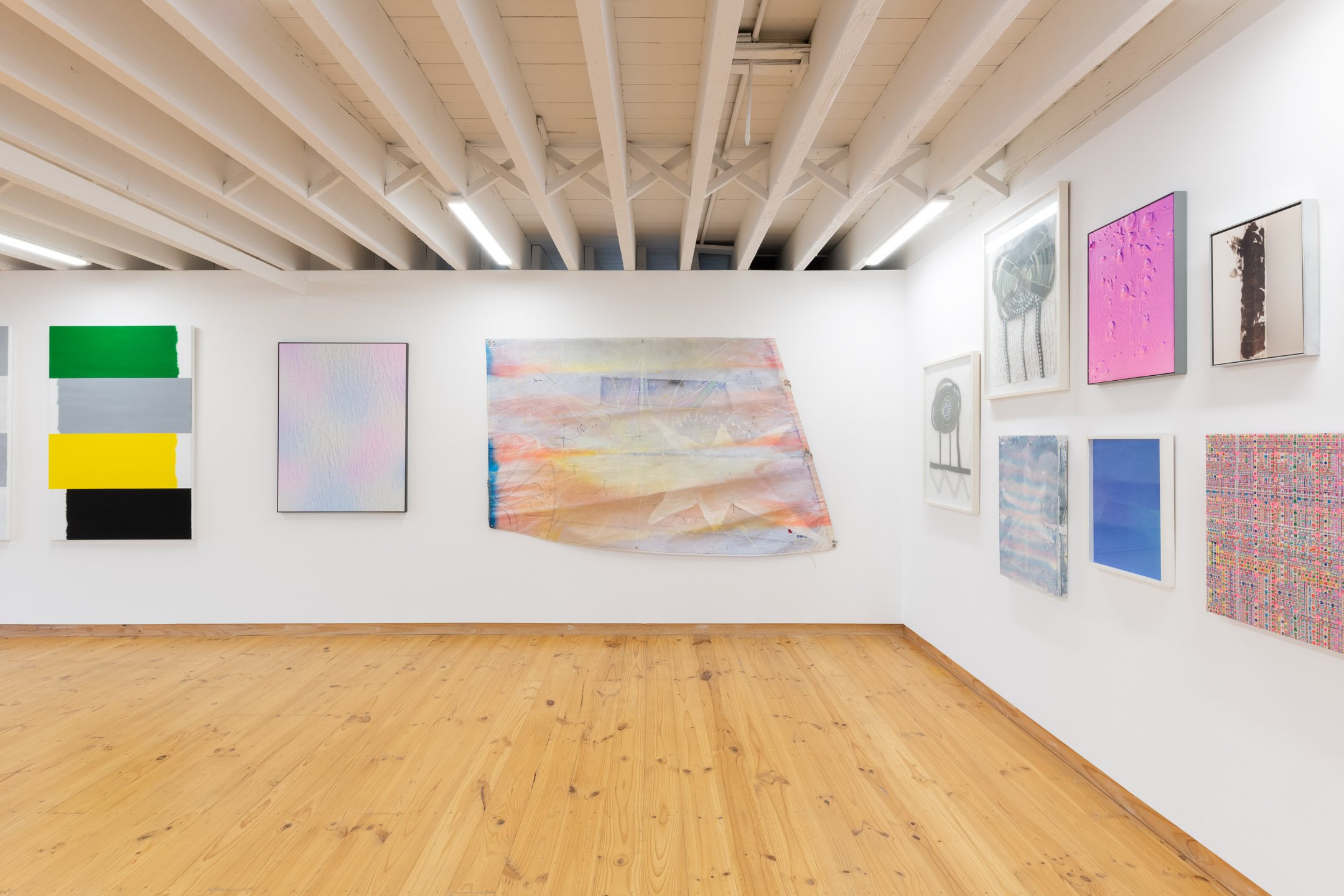
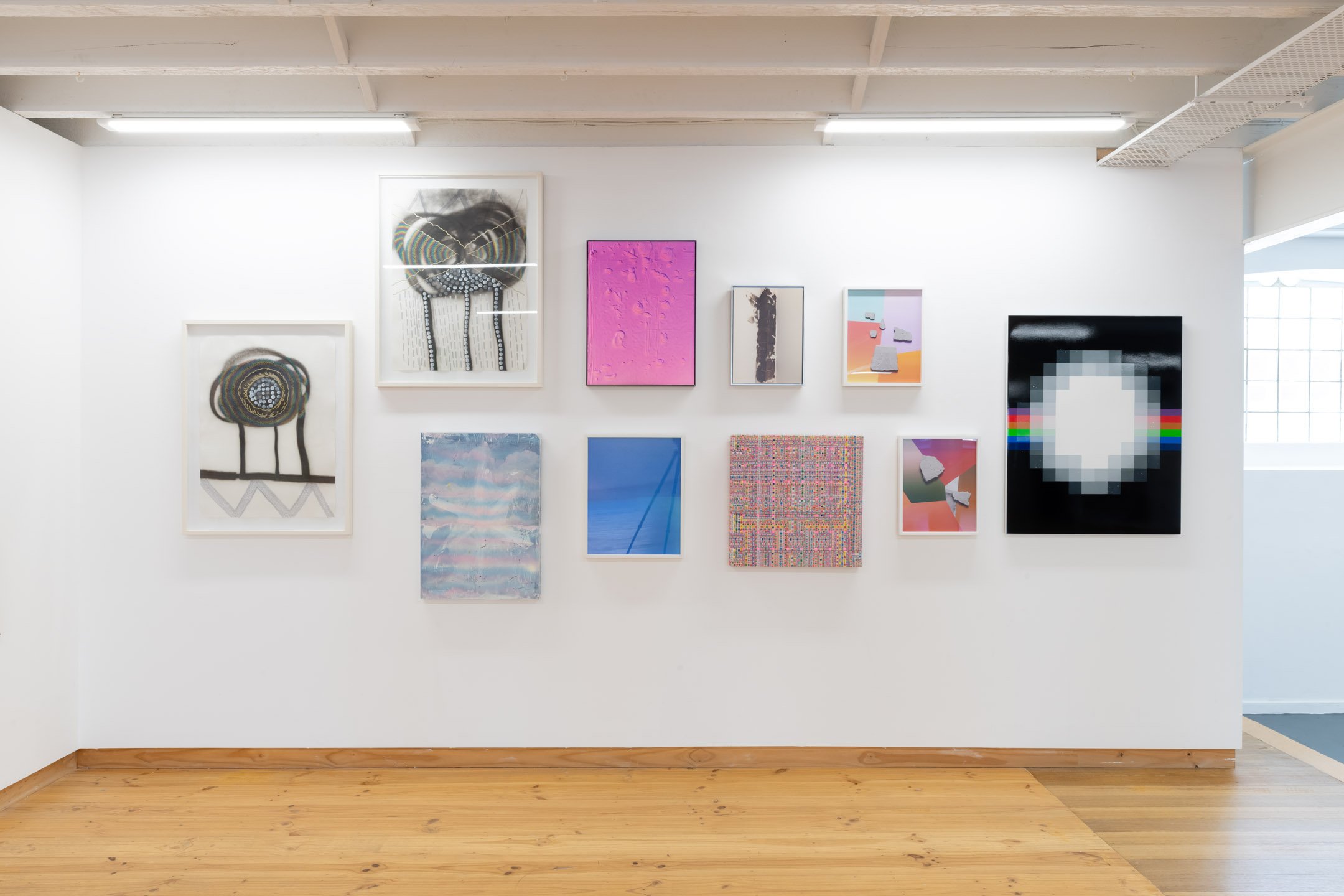
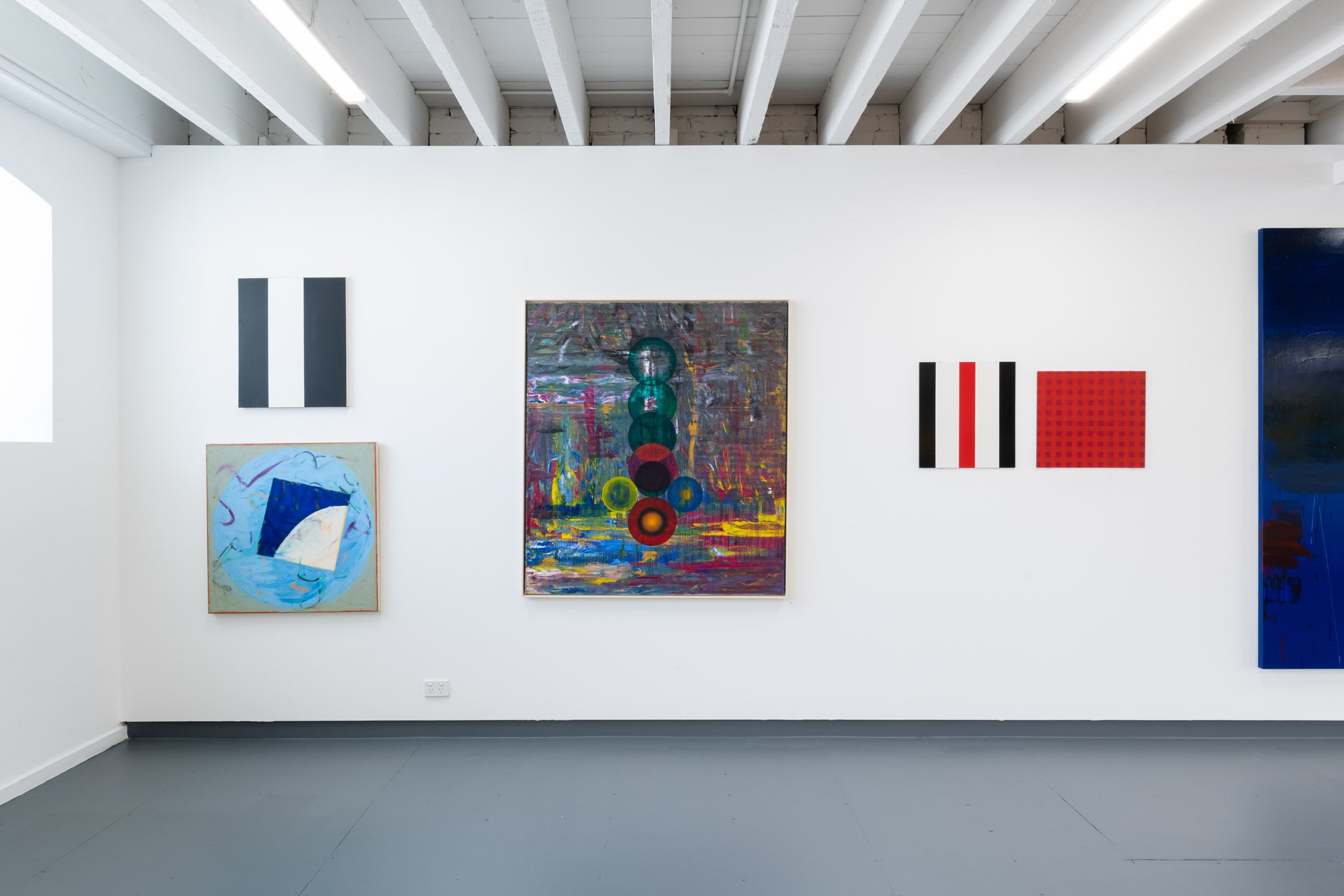
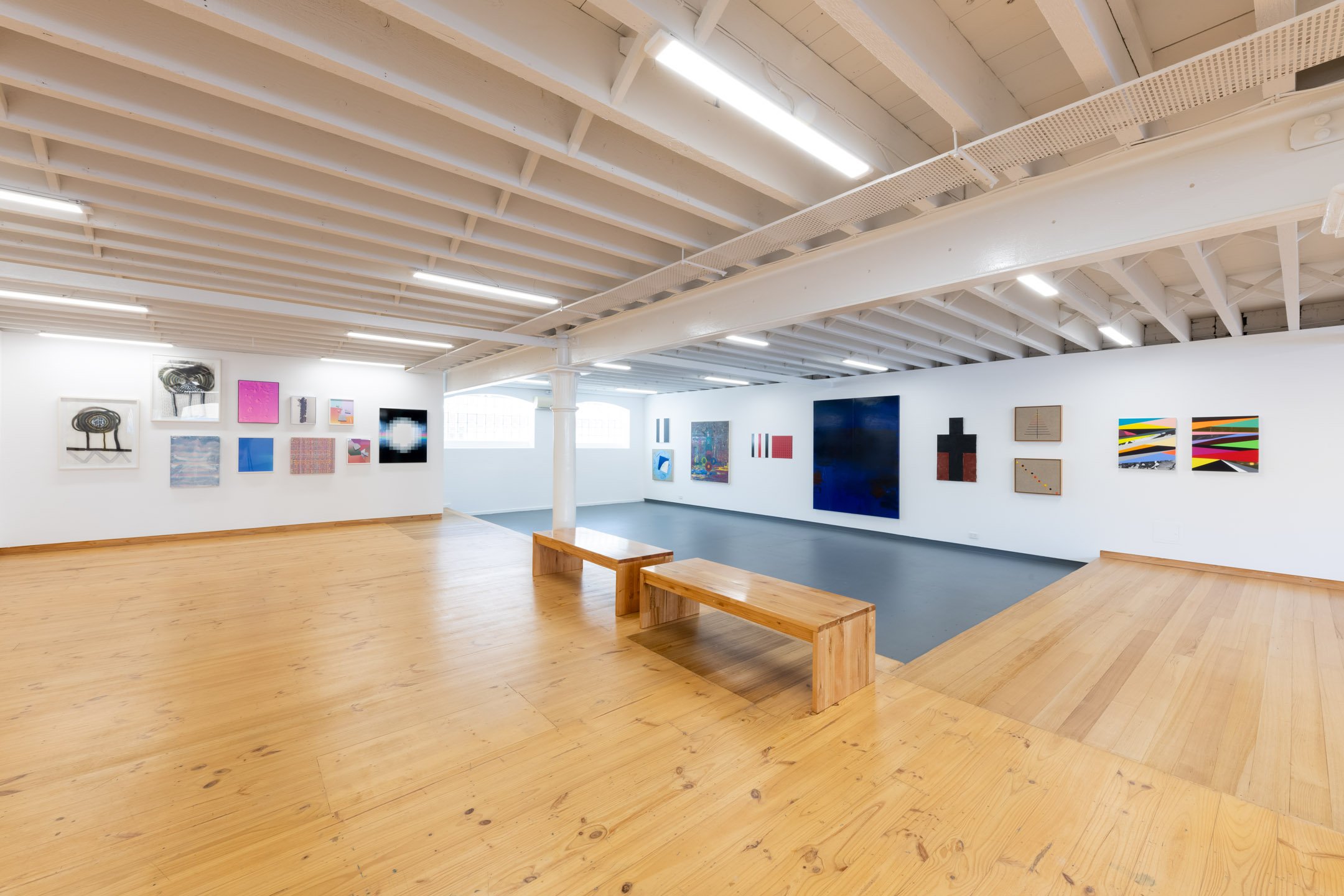
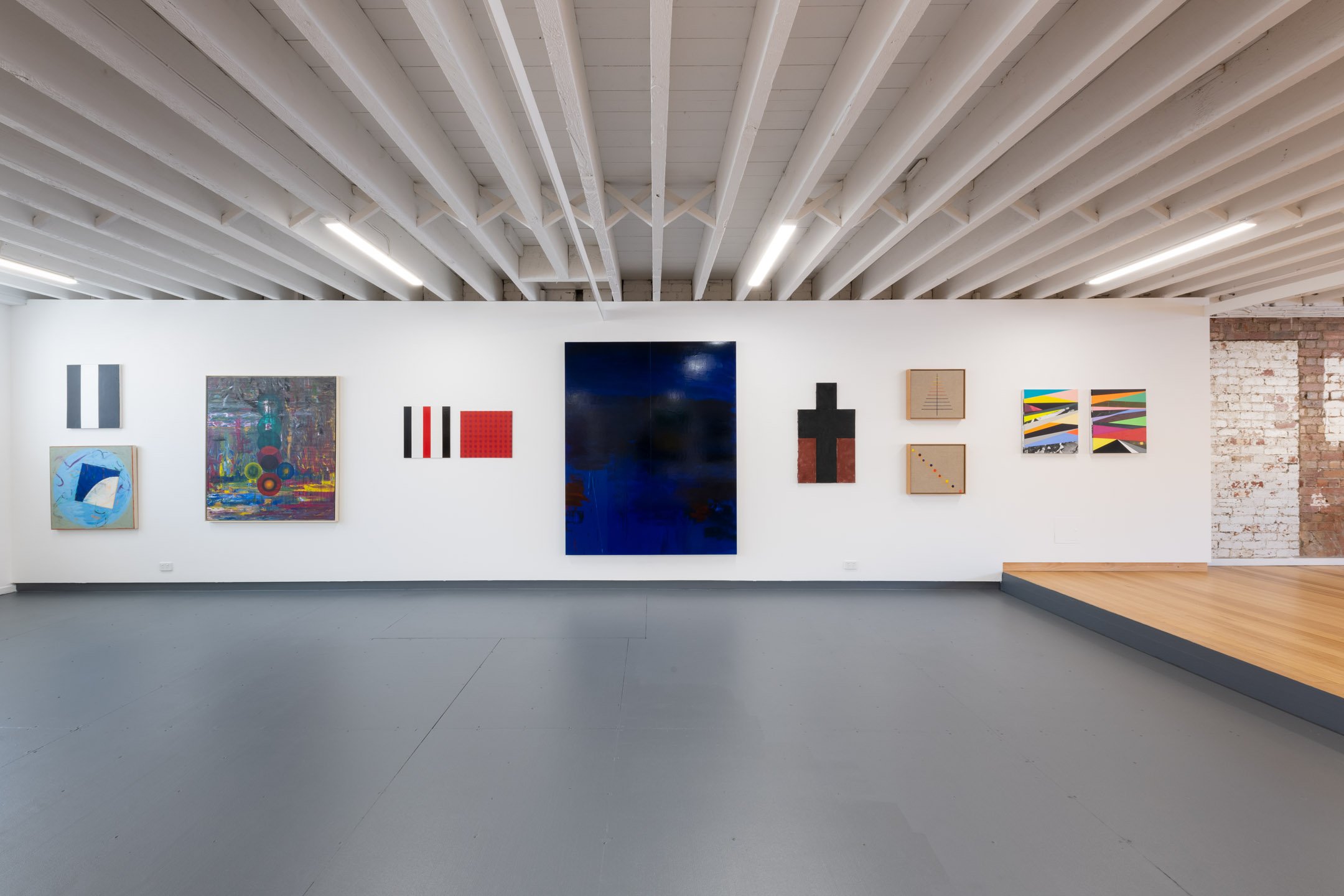
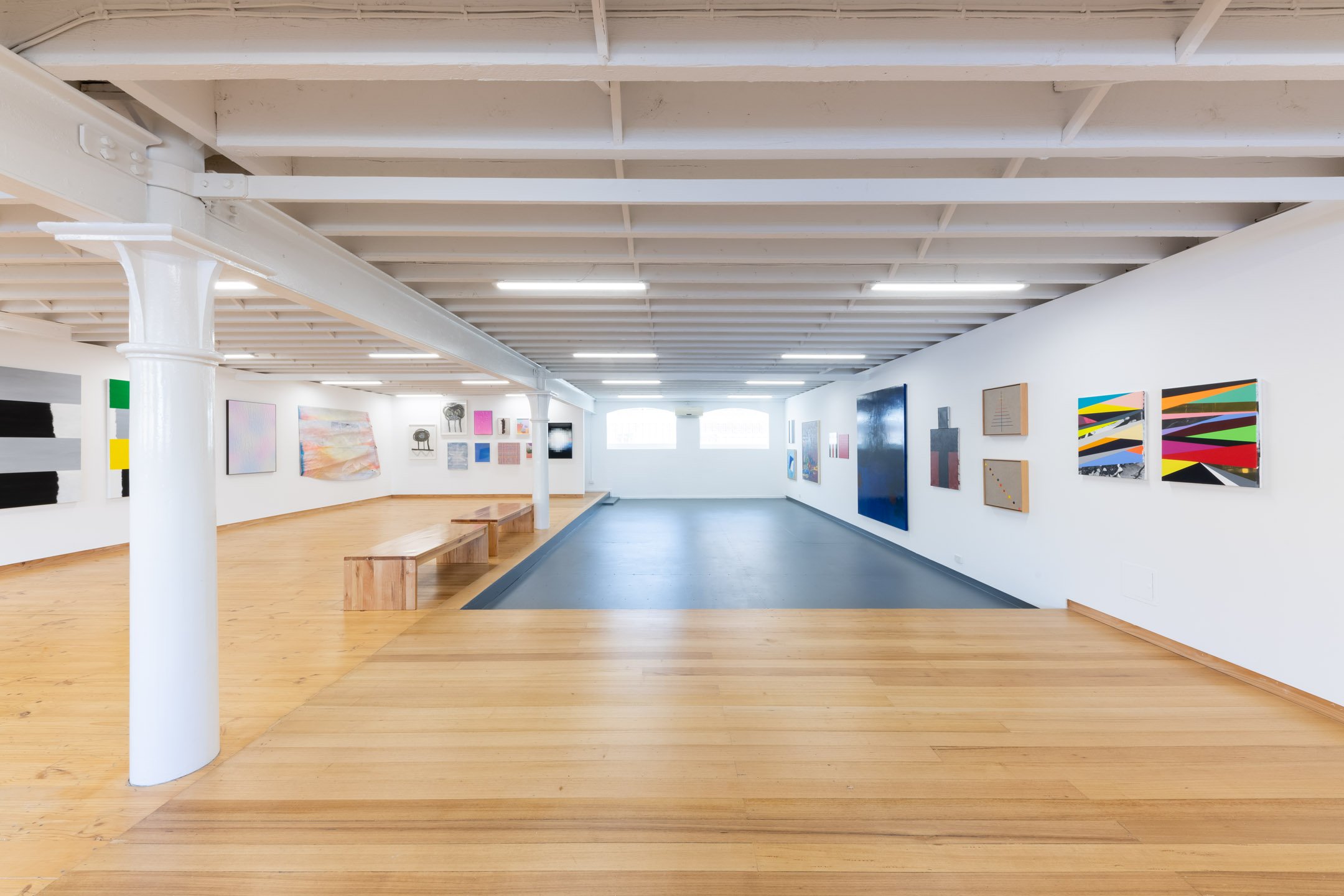
Installation images, Now & Then : 40 Years of Abstraction . Blockprojects, 2021. Photography: Simon Strong
This group exhibition features a selection of abstract works from the last 40 years.
ARTISTS:
Steven Asquith, Neil Keith Baker, Stephen Bram, Merric Brettle, James Clayden, Dan Dan Dai, Robert Jacks
Dale Frank, Marc Freeman, Denise Green, Kyle Jenkin, Michael Staniak, John Nixon, Julia Powles, David Thomas, Vivian Cooper Smith, Tom Vincent, Peter Westwood, what.
SELECTED ARTWORKS:


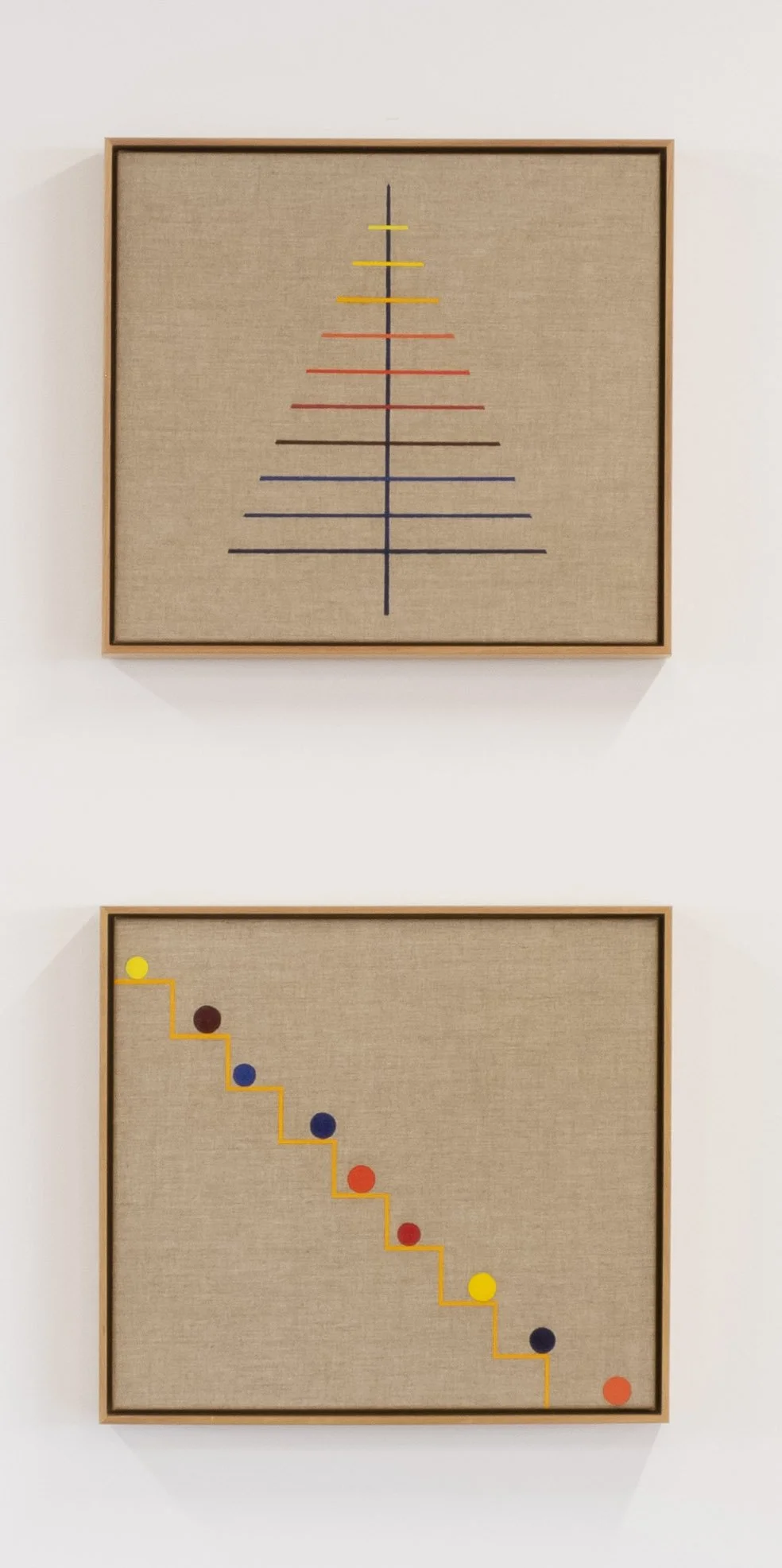


THE DIRECTOR’S CHOICE 2021: important australian & international works of art.
17.04.2021 – 28.04.2021


Installation images, The Director’s Choice 2021: Important Australian and international Works of Art. Blockprojects, 2021. Photography: Angela McKinnon
This group exhibition features a selection of abstract and figurative paintings, works on paper and sculpture by important Australian and International artists.
ARTISTS:
Tony Bevan,
James Clayden, Adam Cullen, Robert Jacks, John Olsen, David Thomas, Tony Tuckson, Ben Quilty, Brett Whiteley, Ken Whisson, Fred Williams.
SELECTED ARTWORKS:


David Thomas: Moving Times
03.03.21 - 03.04.21
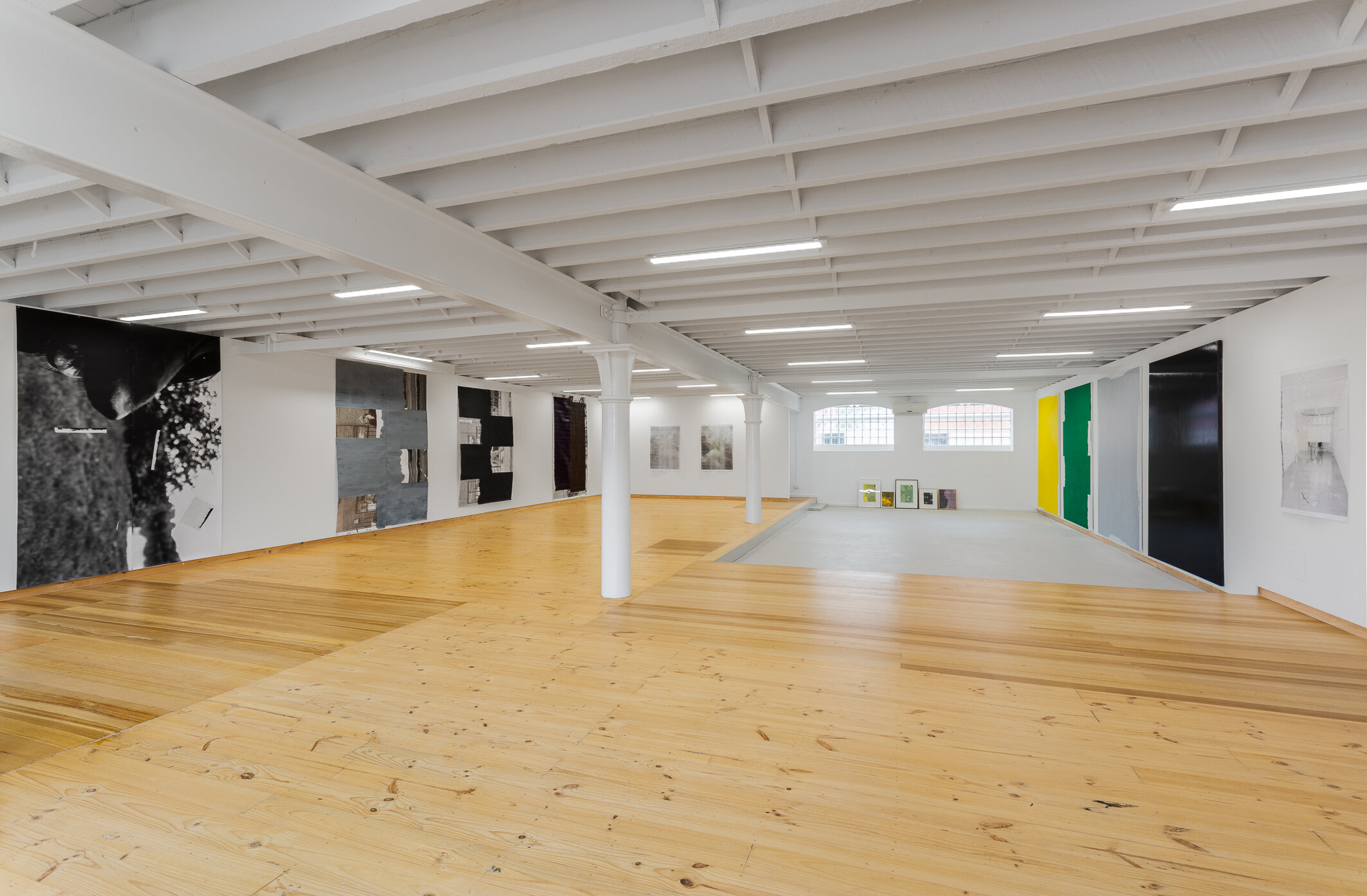
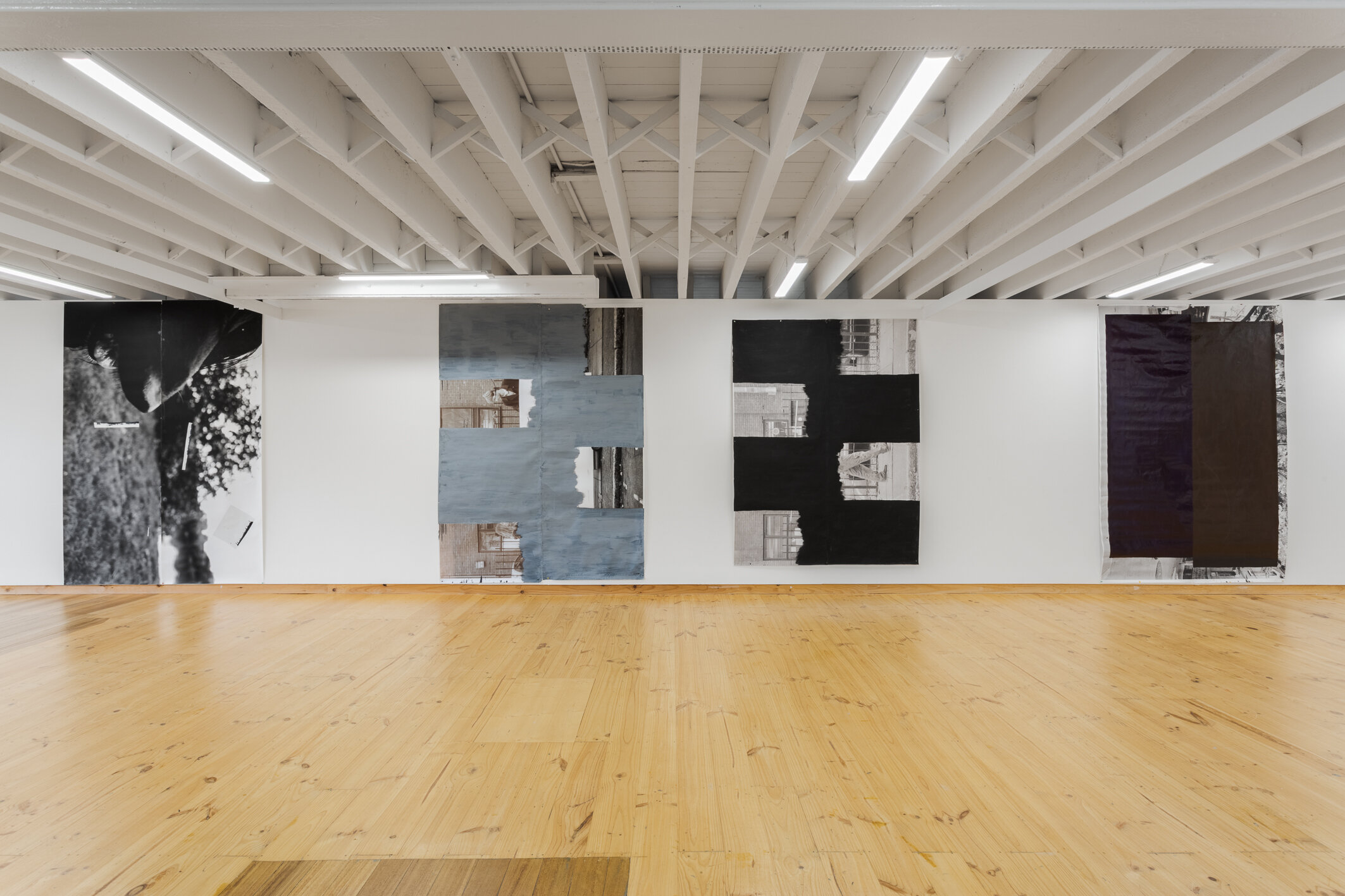
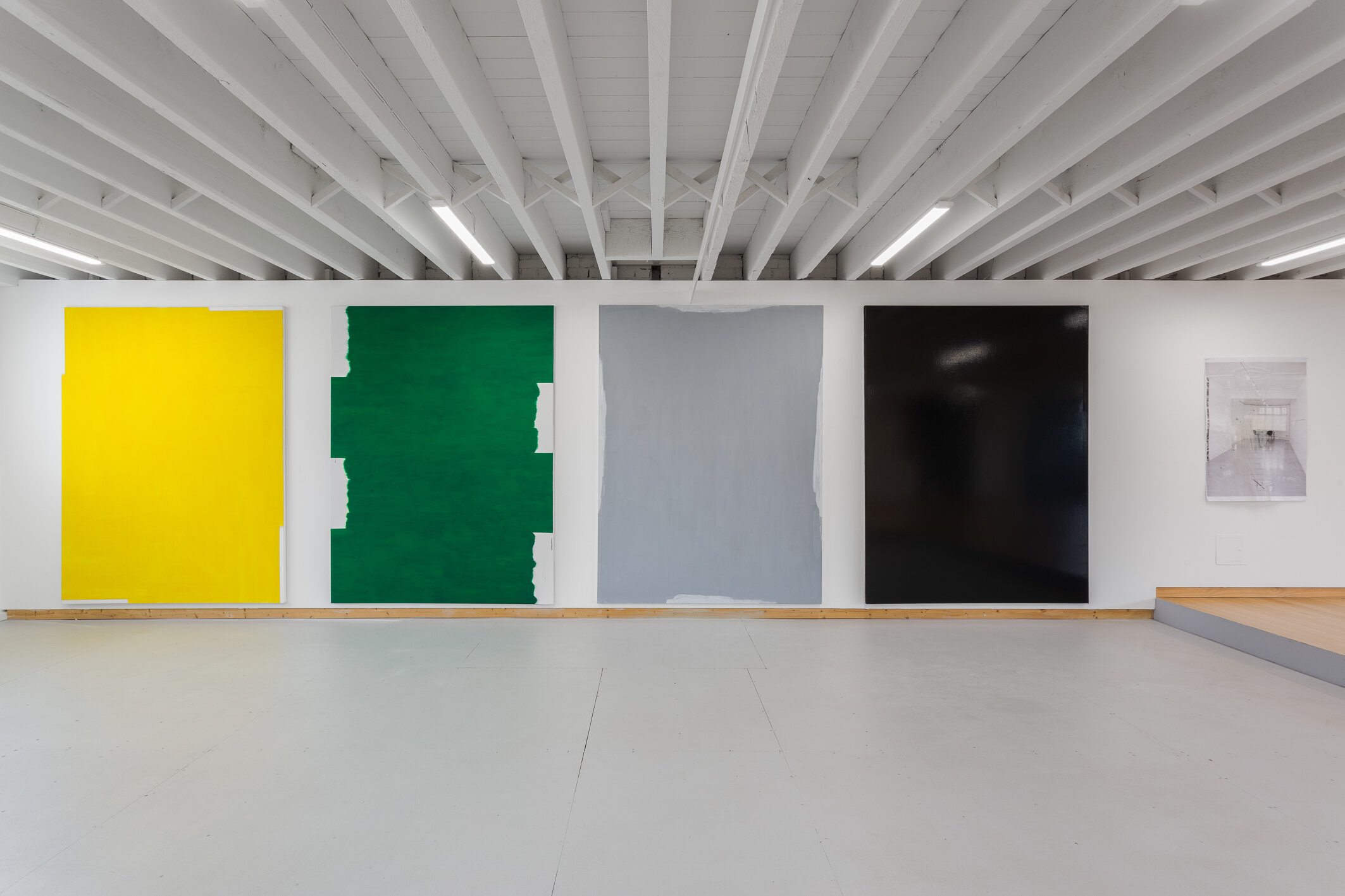
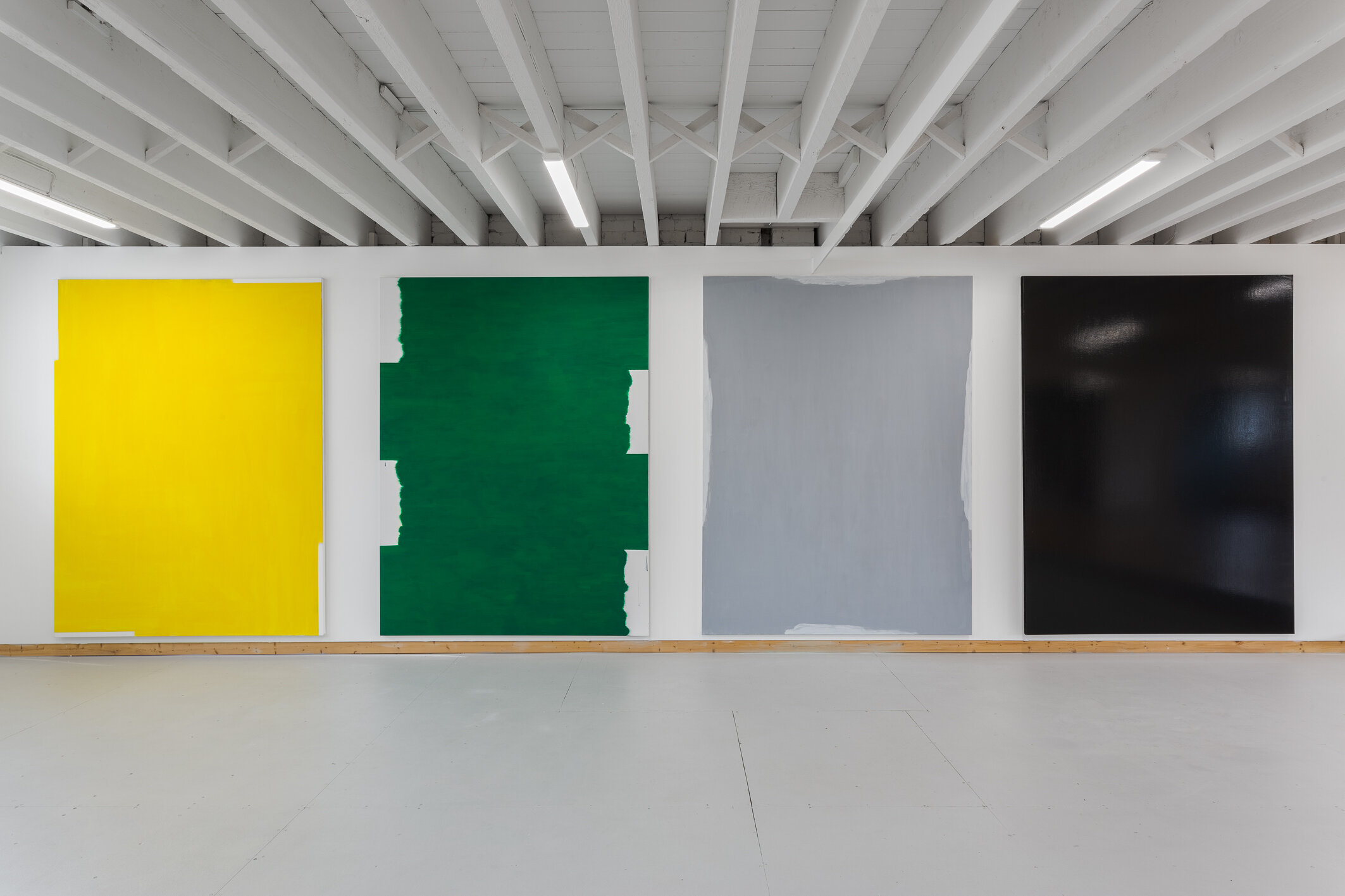
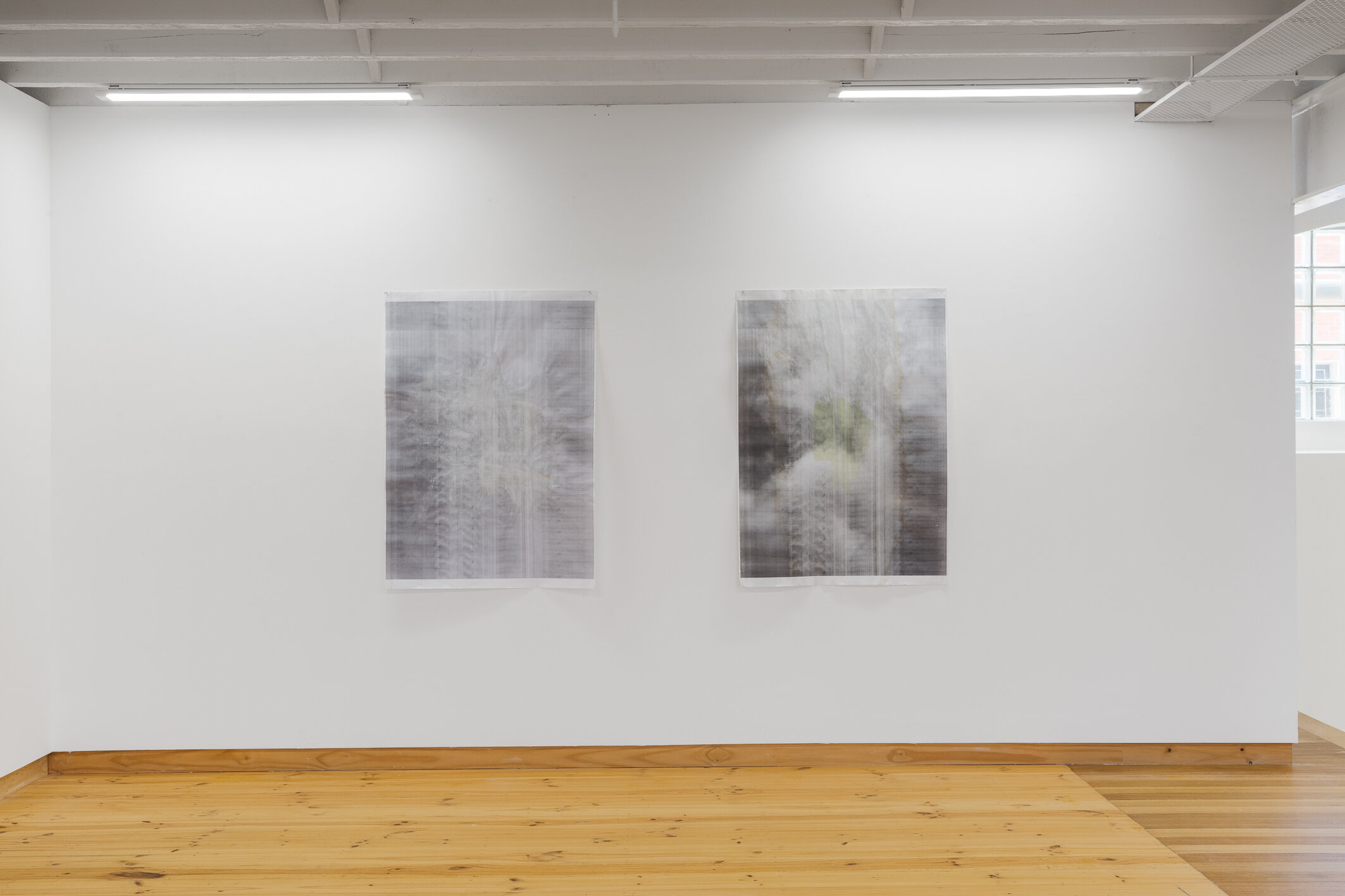
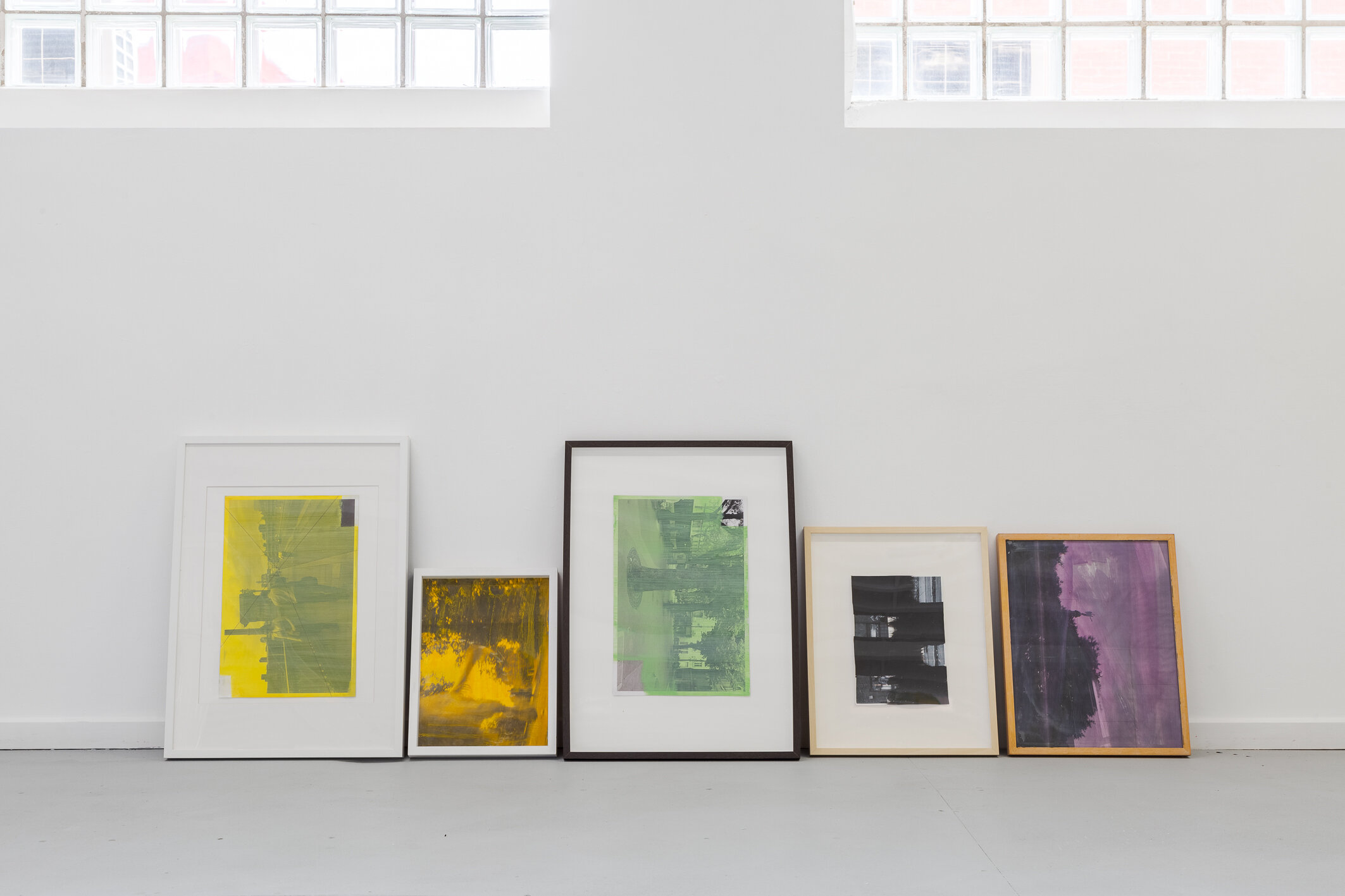
Installation images, David Thomas; Moving Times. Blockprojects, 2021. Photography: Christo Crocker.
An exhibition of paintings and photopaintings by David Thomas
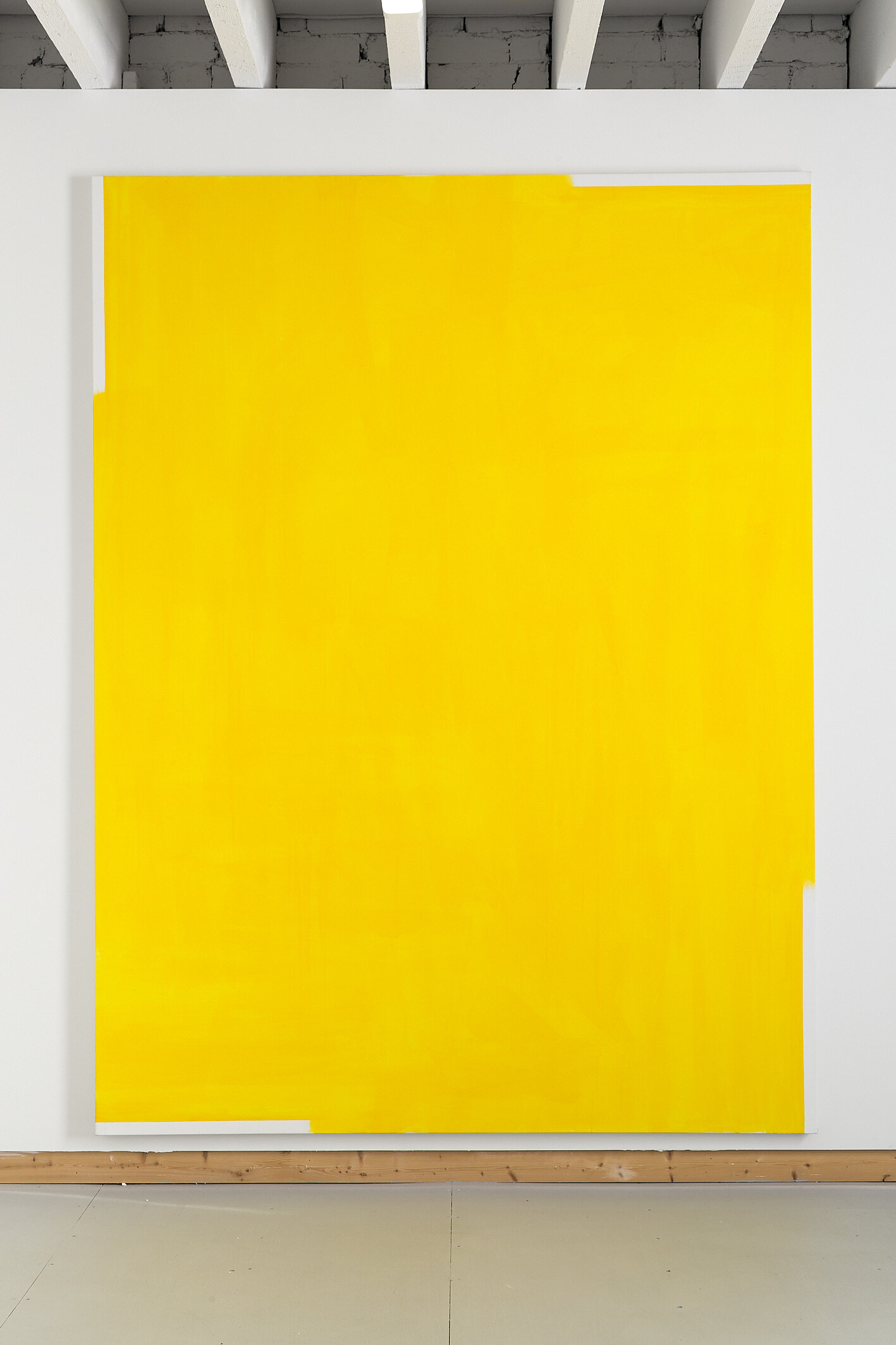
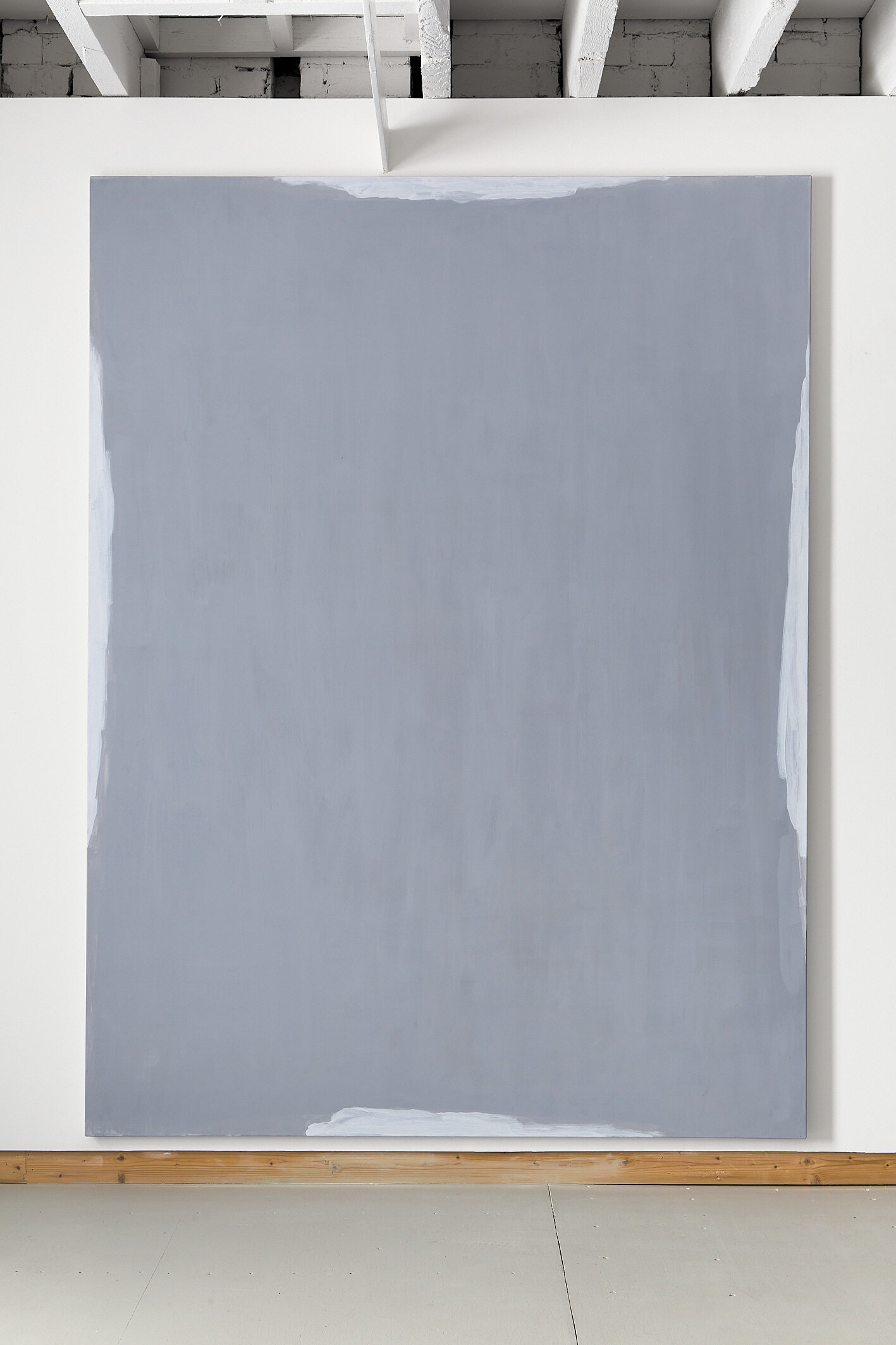
This exhibition includes large paintings, primarily monochromatic in nature, large scale photopaintings from the ongoing Impermanences Series; and smaller photo paintings from the Water/Wash Series.”
Please see the accompanying publication “David Thomas: Moving Times”, available for purchase from the gallery.
BOOK YOUR APPOINTMENT to visit the gallery.
ARTWORKS:





enquire.
HOW SOON IS NOW
12.08.20 - 12.09.20
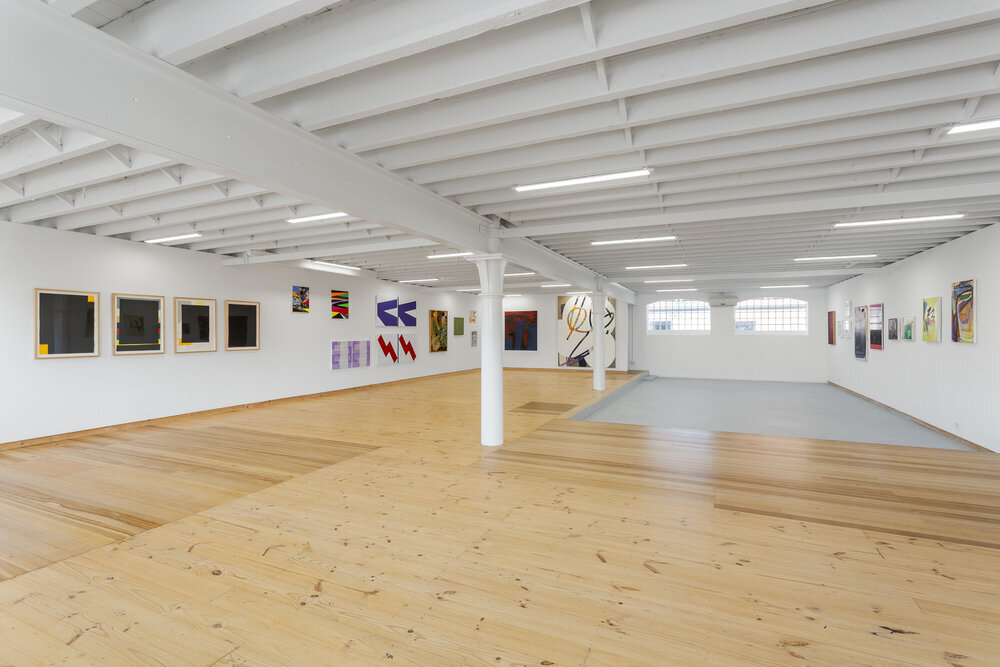
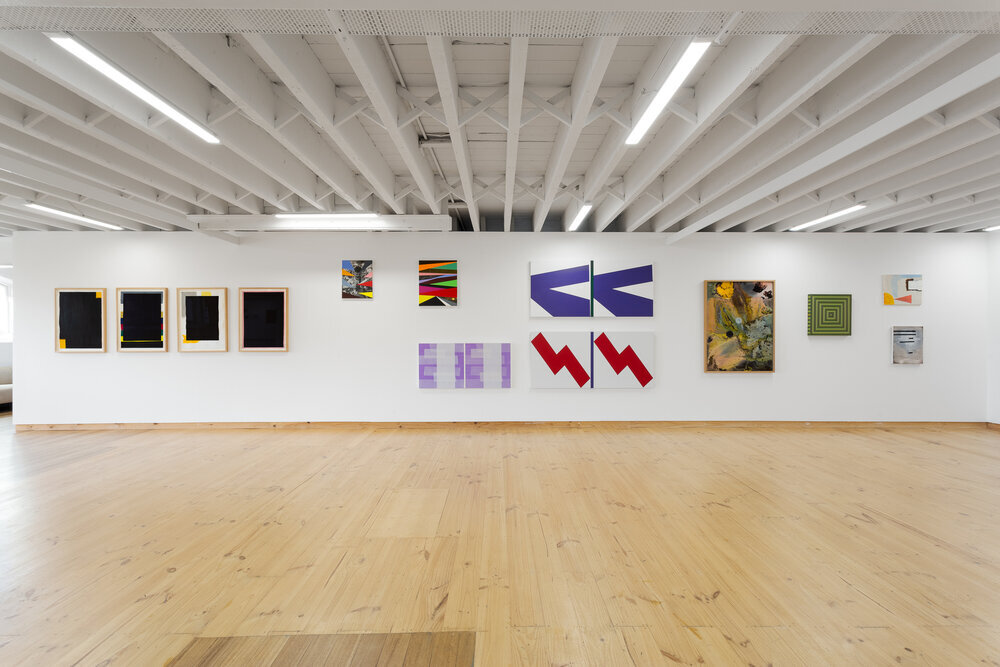
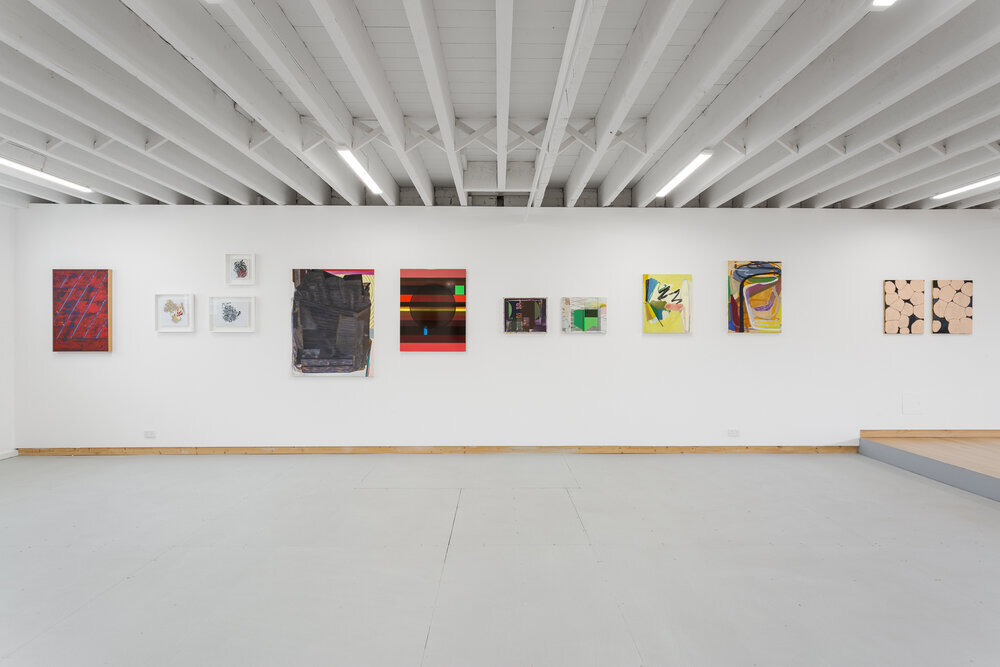
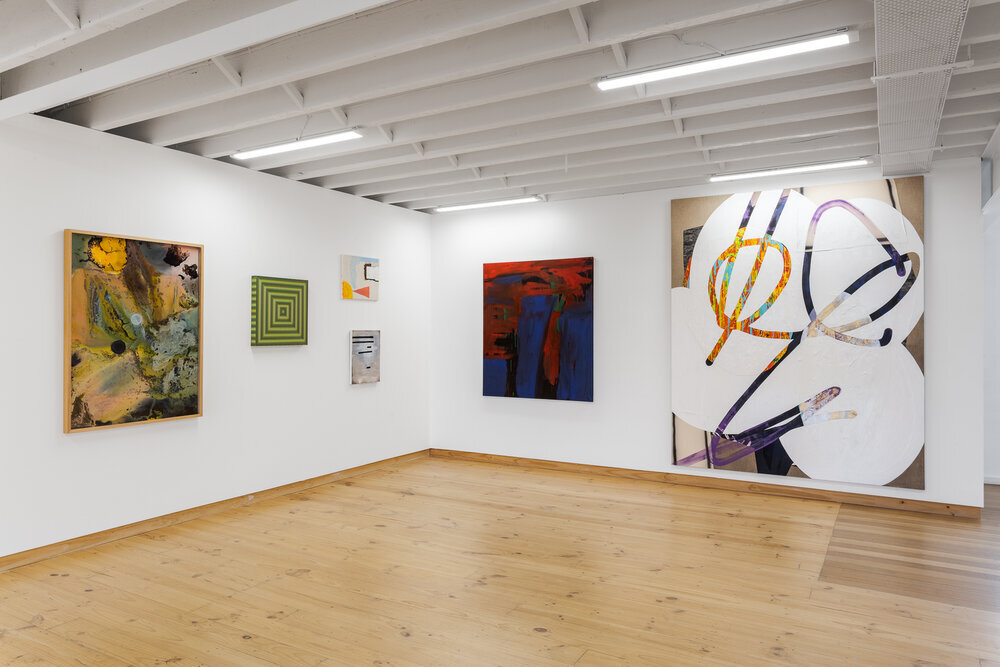
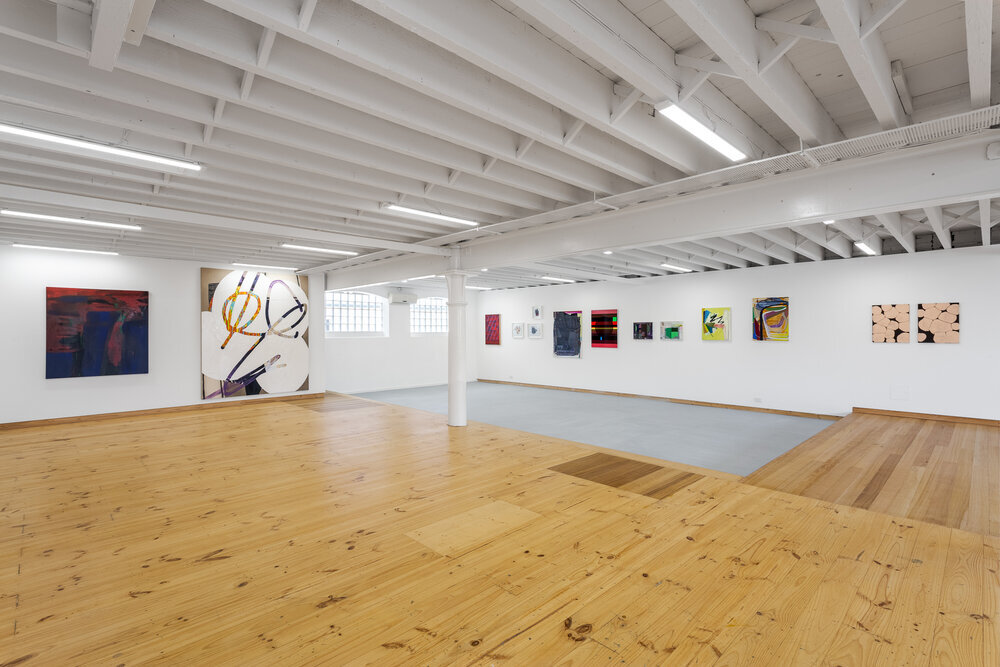
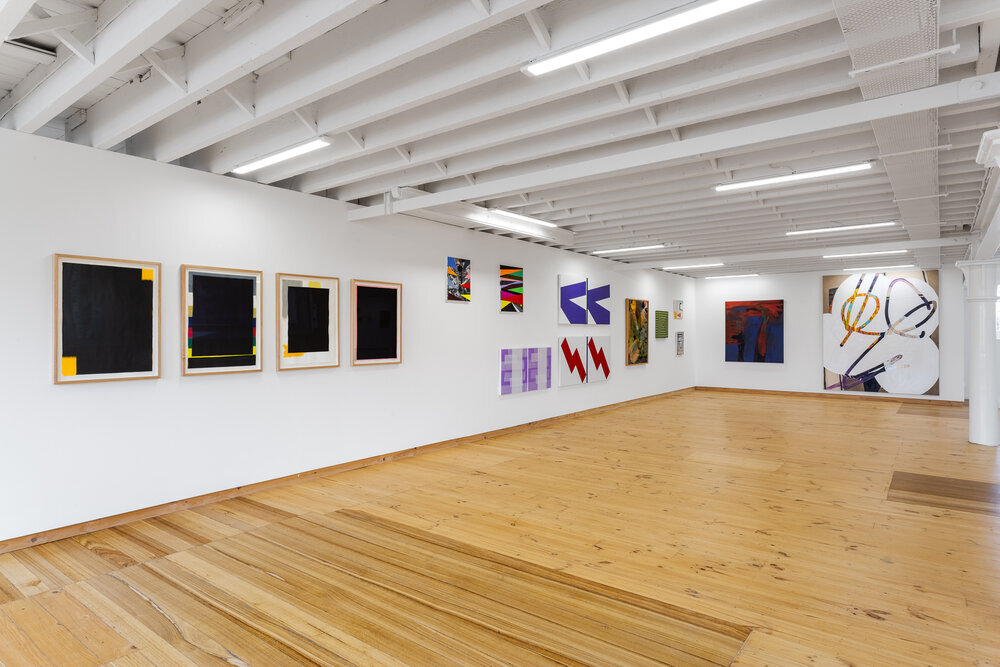
Installation images, How Soon is Now. Blockprojects, 2020.
Blockprojects is proud to present, HOW SOON IS NOW,
an exhibition featuring fifteen contemporary artists who explore the mystery of abstraction.
ARTISTS:
Darren Munce
Julia Powles
Eduardo Santos
David Thomas
Tom Vincent
David Wallage
Peter Westwood
Neil Keith Baker
Merric Brettle
James Clayden
Dandan Dai
Robert Doble
Marc Freeman
Kyle Jenkins
Jason Haufe