11.11.26 - 04..26
Photographer: Ross Waterman
THE THREE-BODY PROBLEM
Photography exists between observation and interpretation, between what is seen and what the photographer chooses to reveal. Across several decades, Ross A. Waterman has explored these possibilities through portraiture, live music performance and photographic montage, three approaches brought together in The Three-Body Problem.
The exhibition takes its title from a problem in physics concerning the unpredictable movements of three bodies under their mutual gravitational influence. The concept provides a framework for considering the connections between these distinct but related aspects of Waterman’s practice.
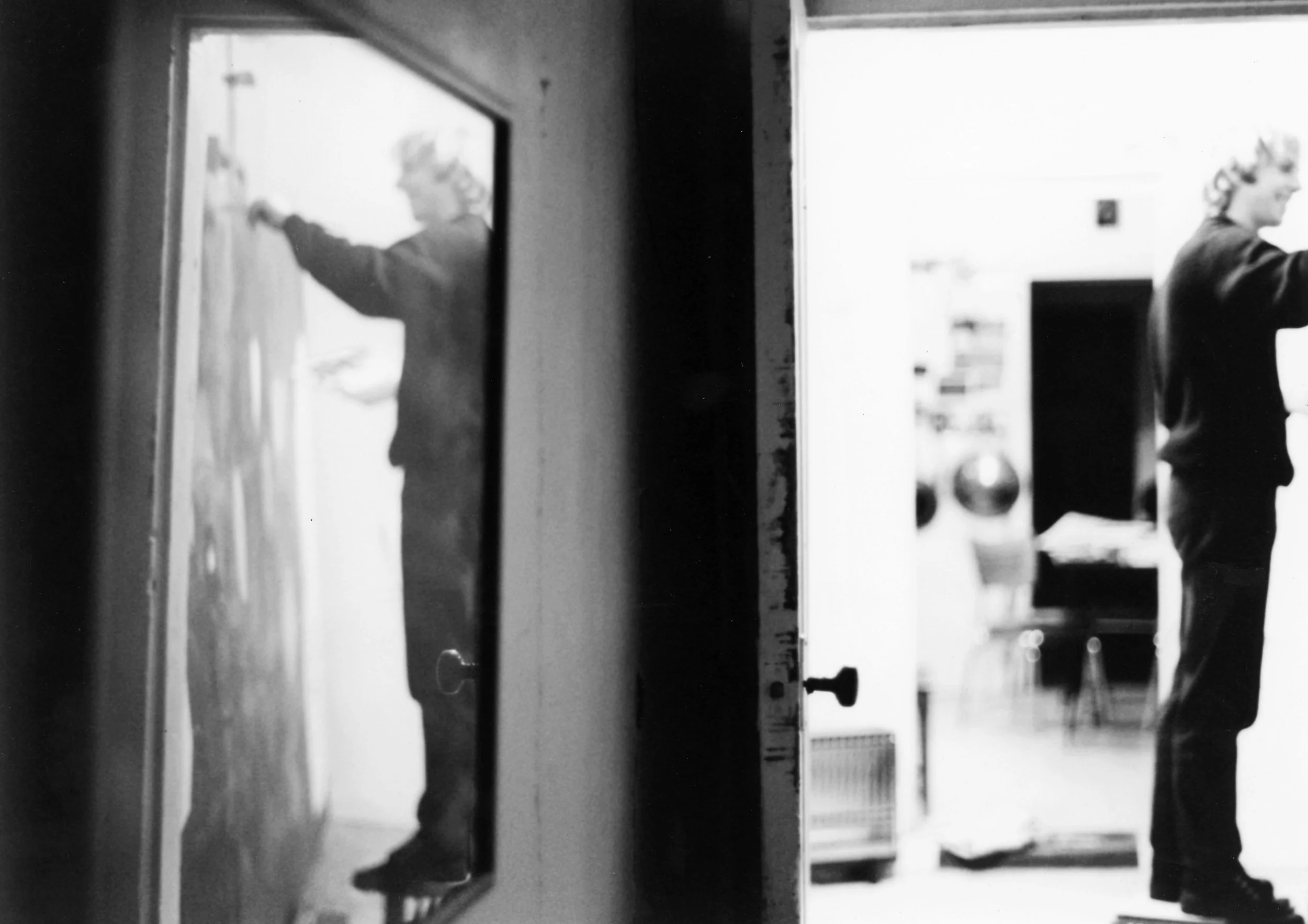
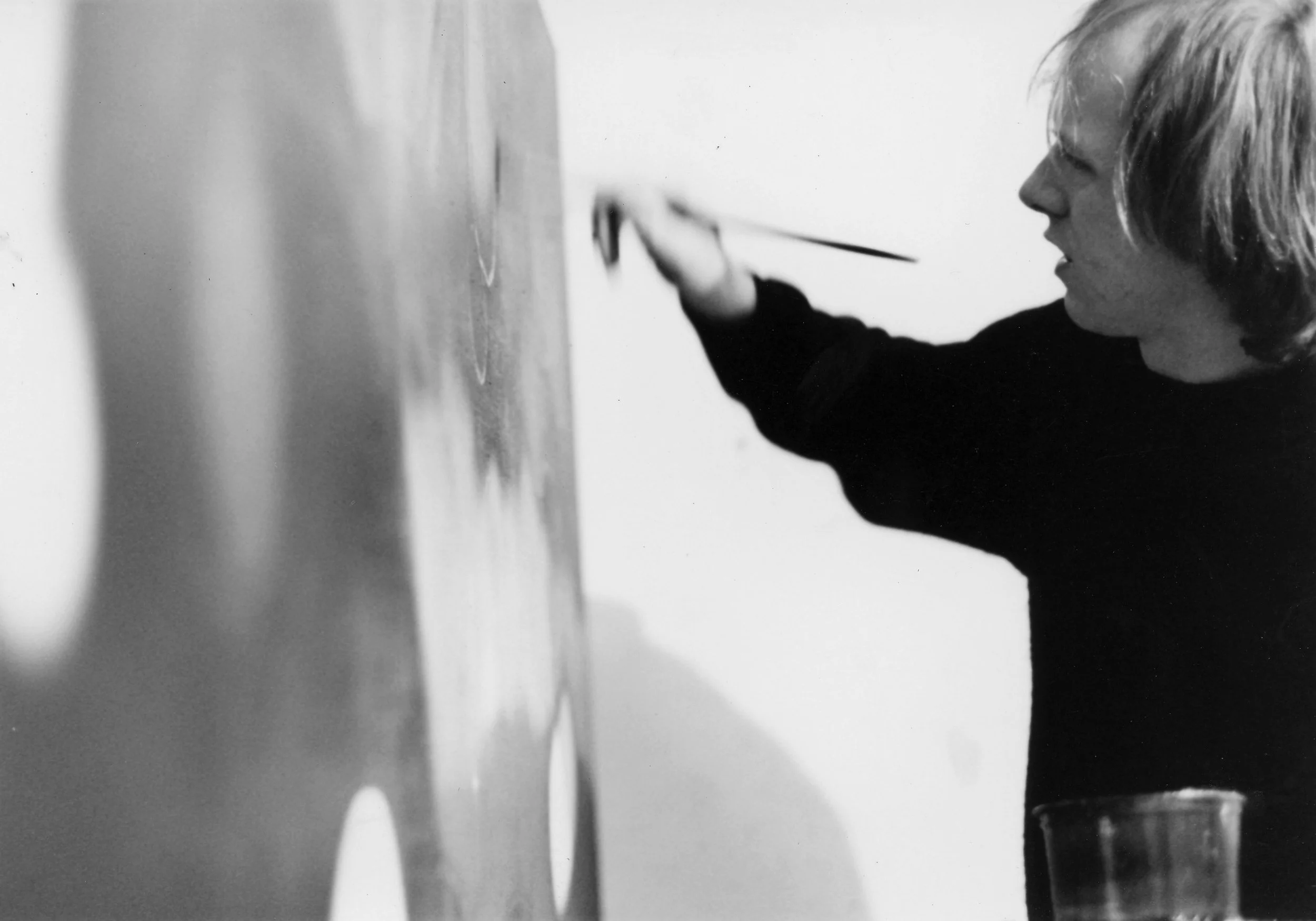
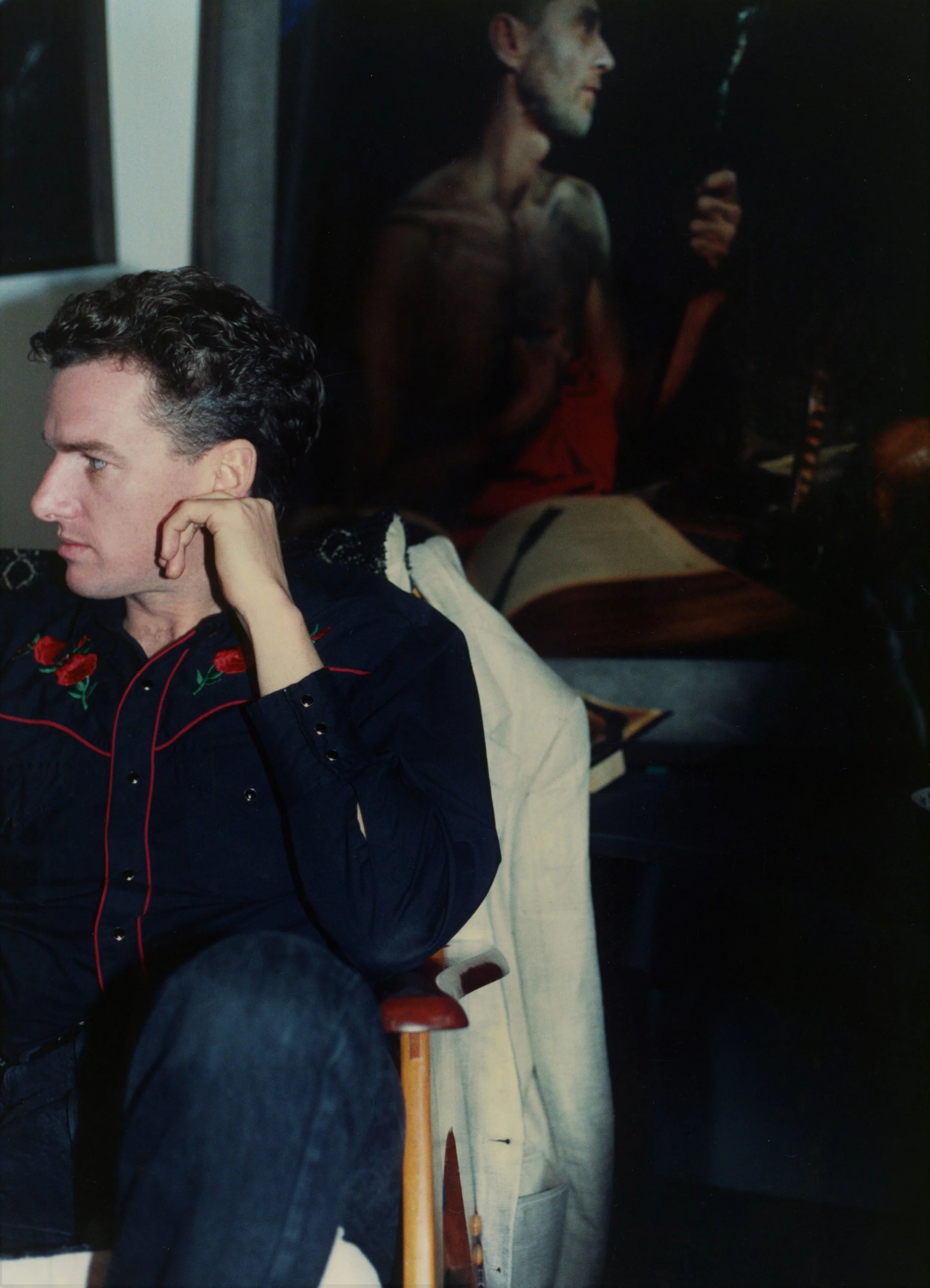
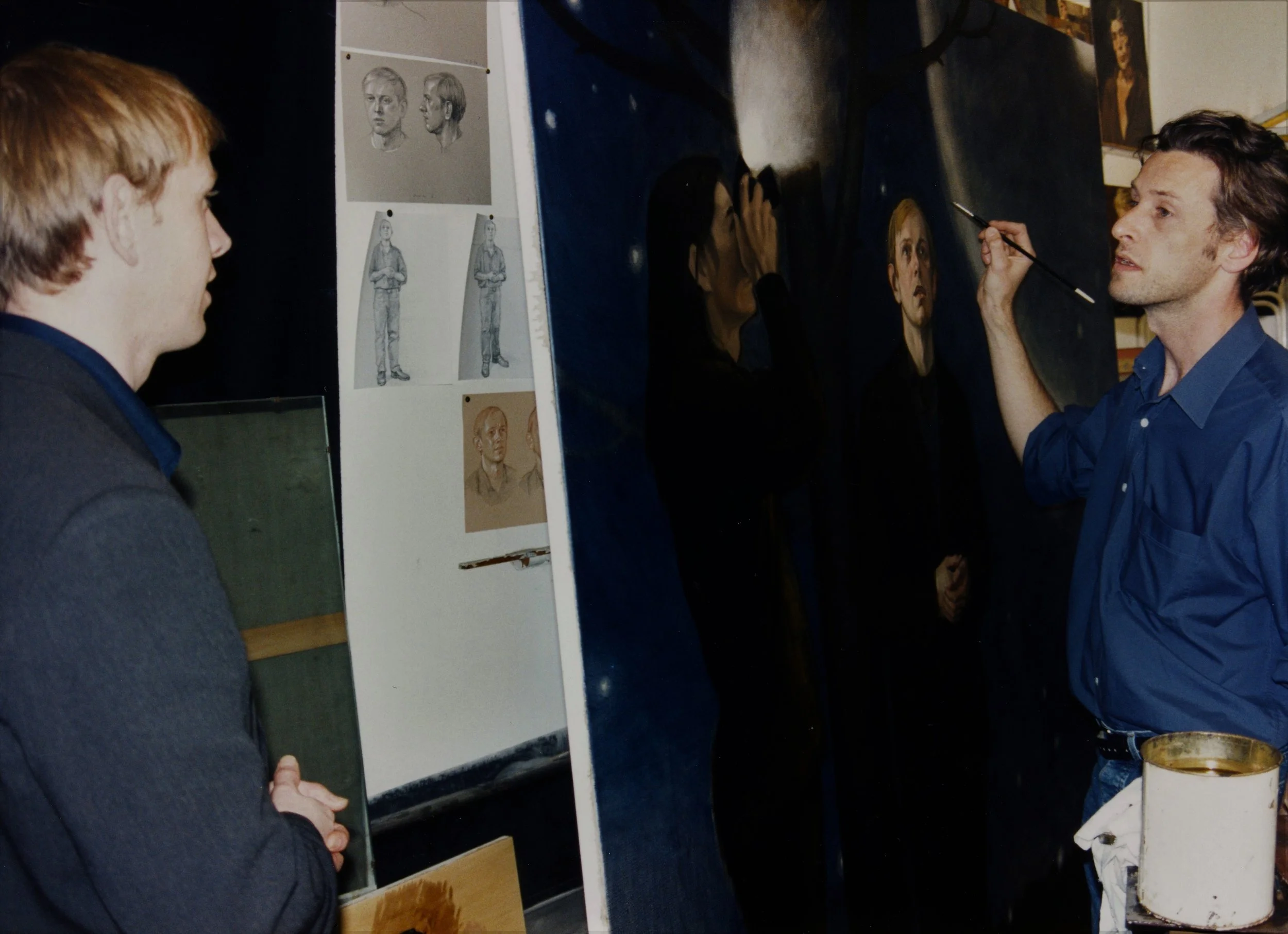
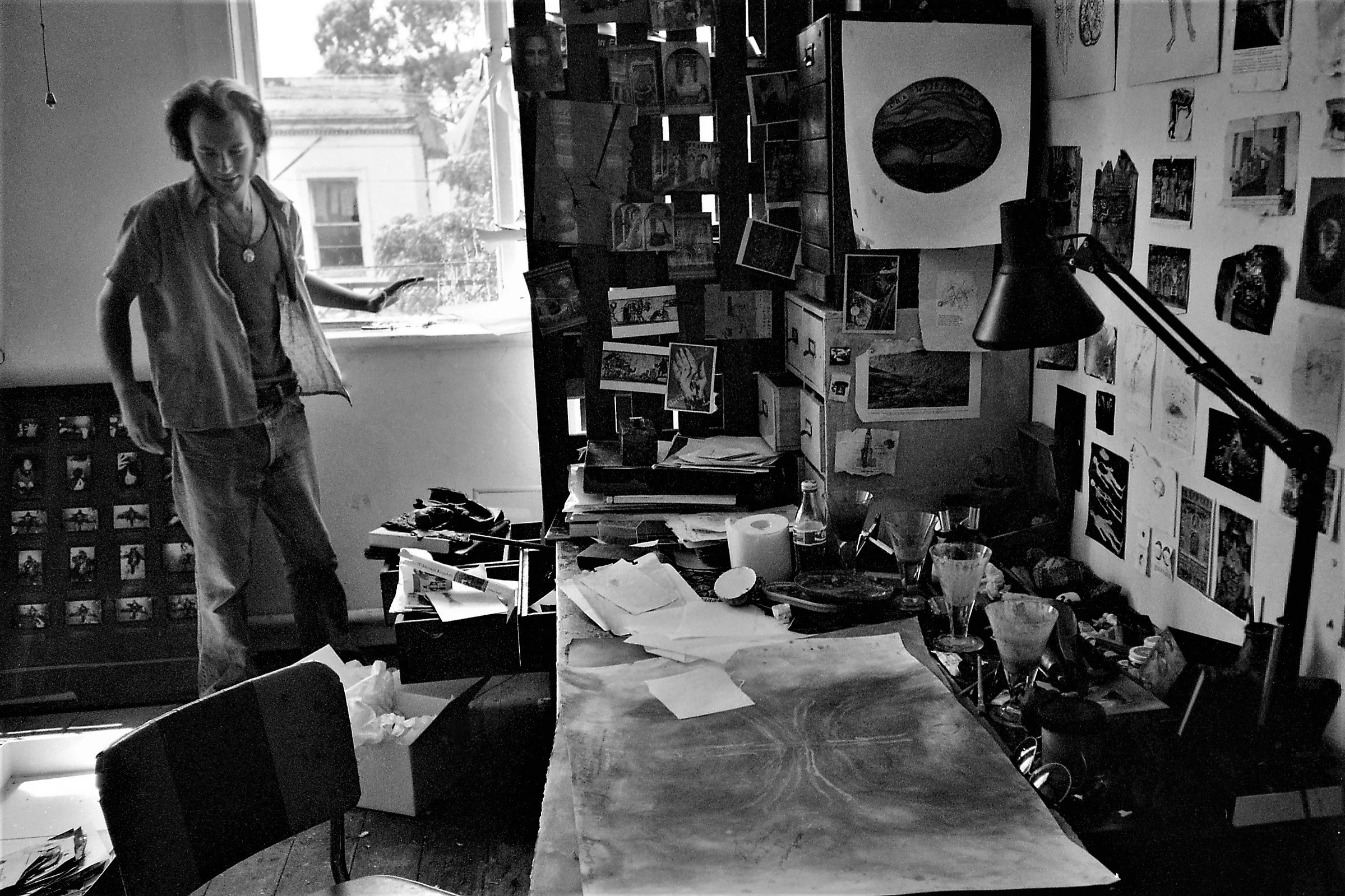
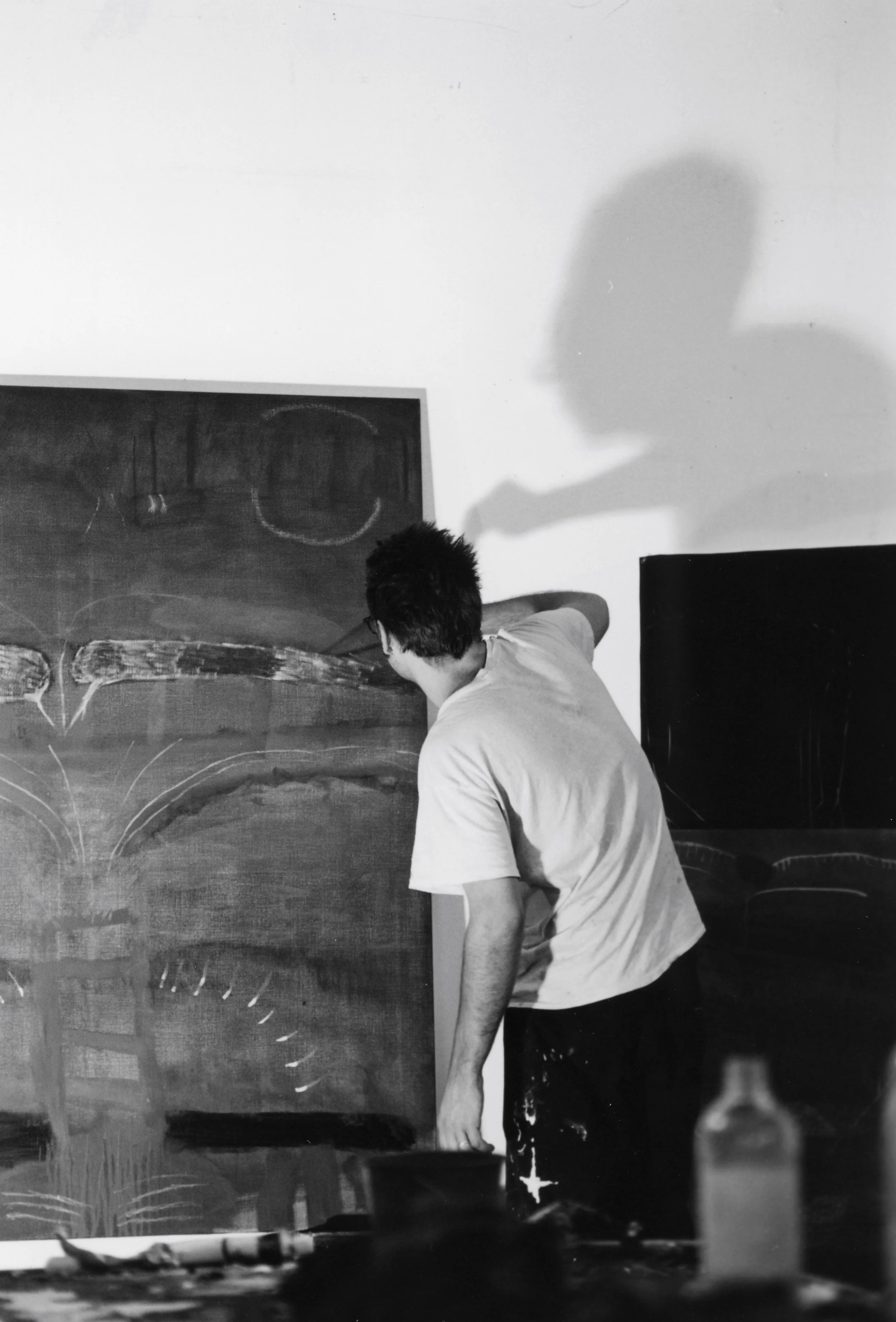
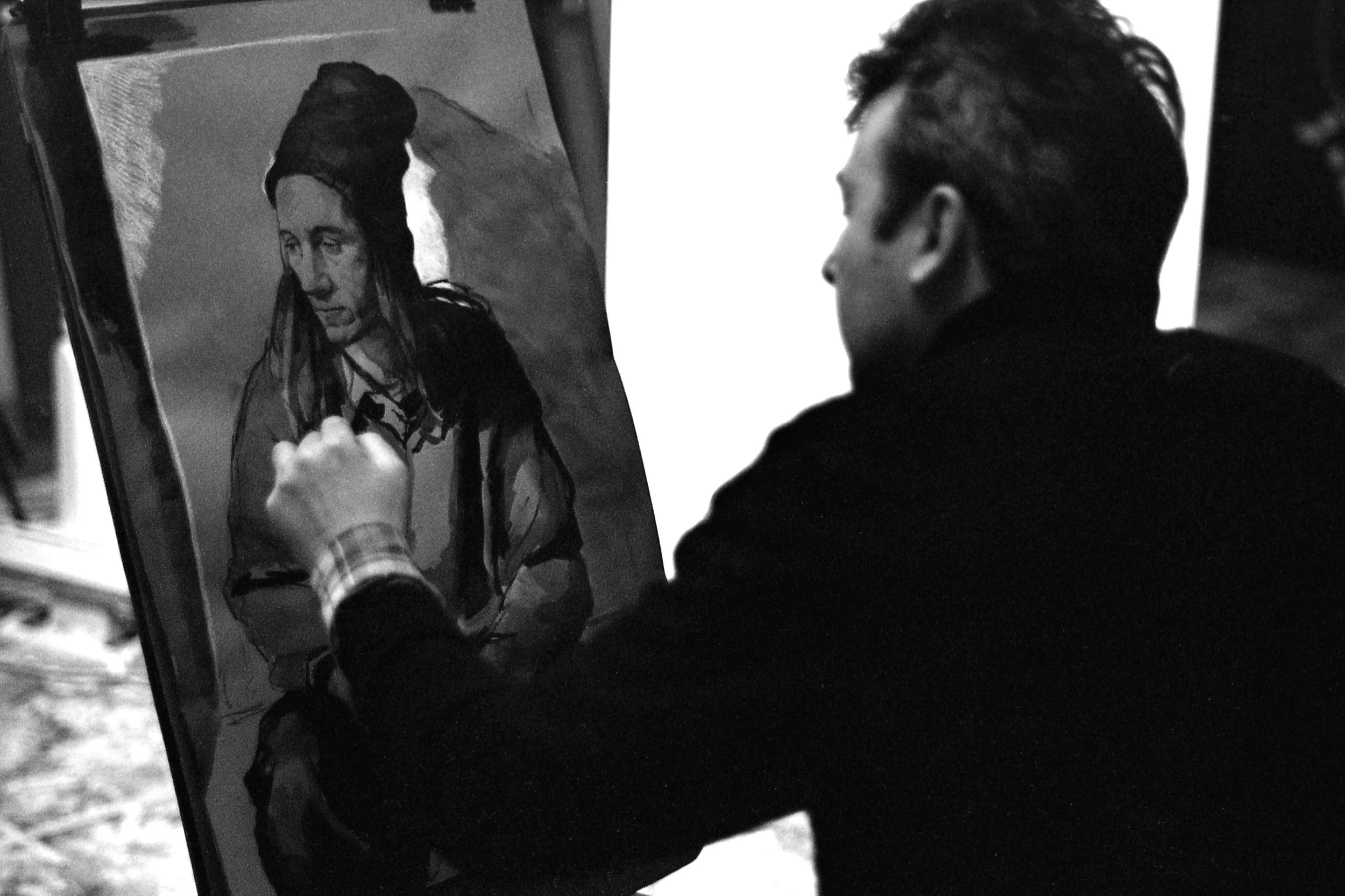
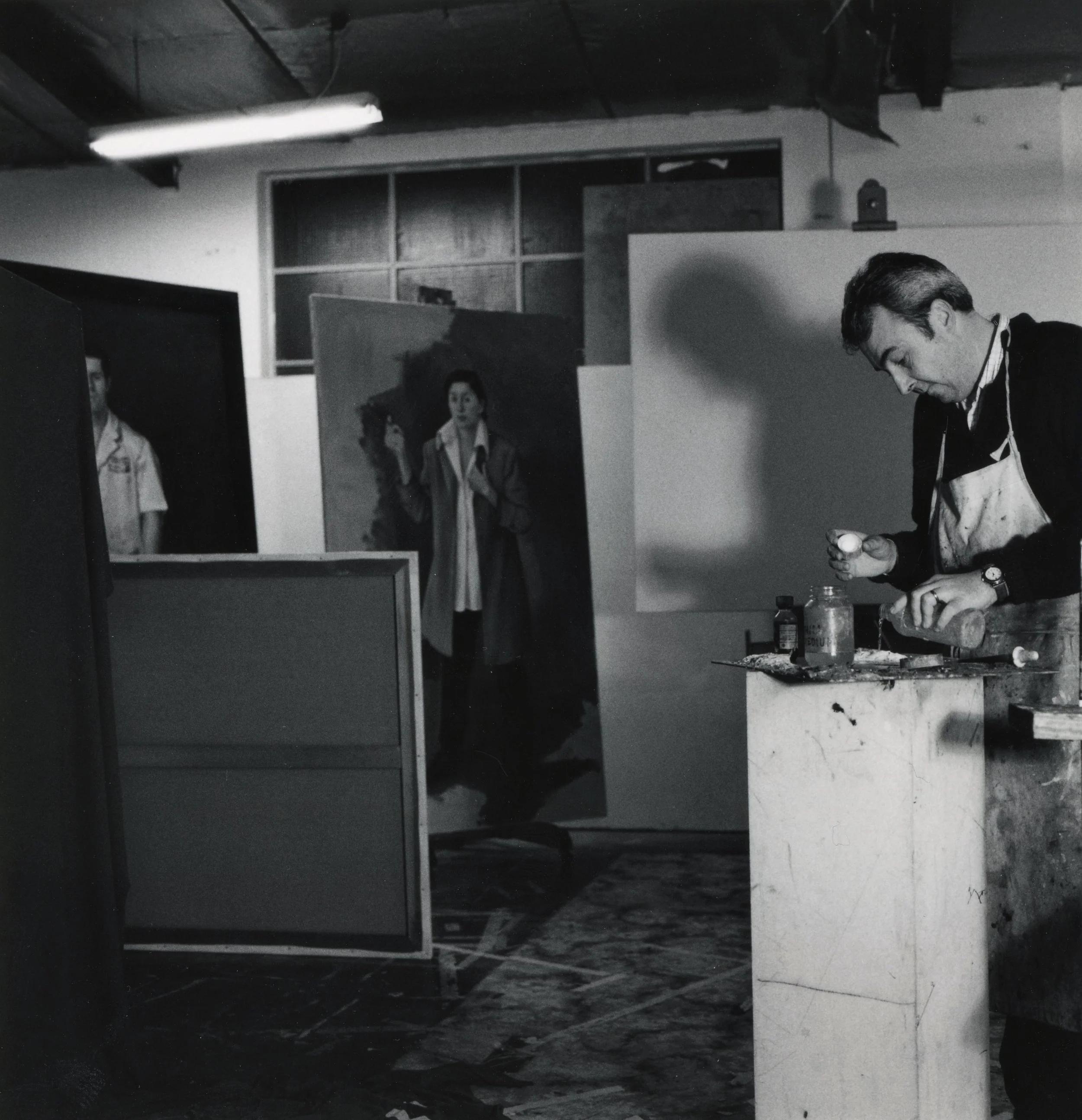
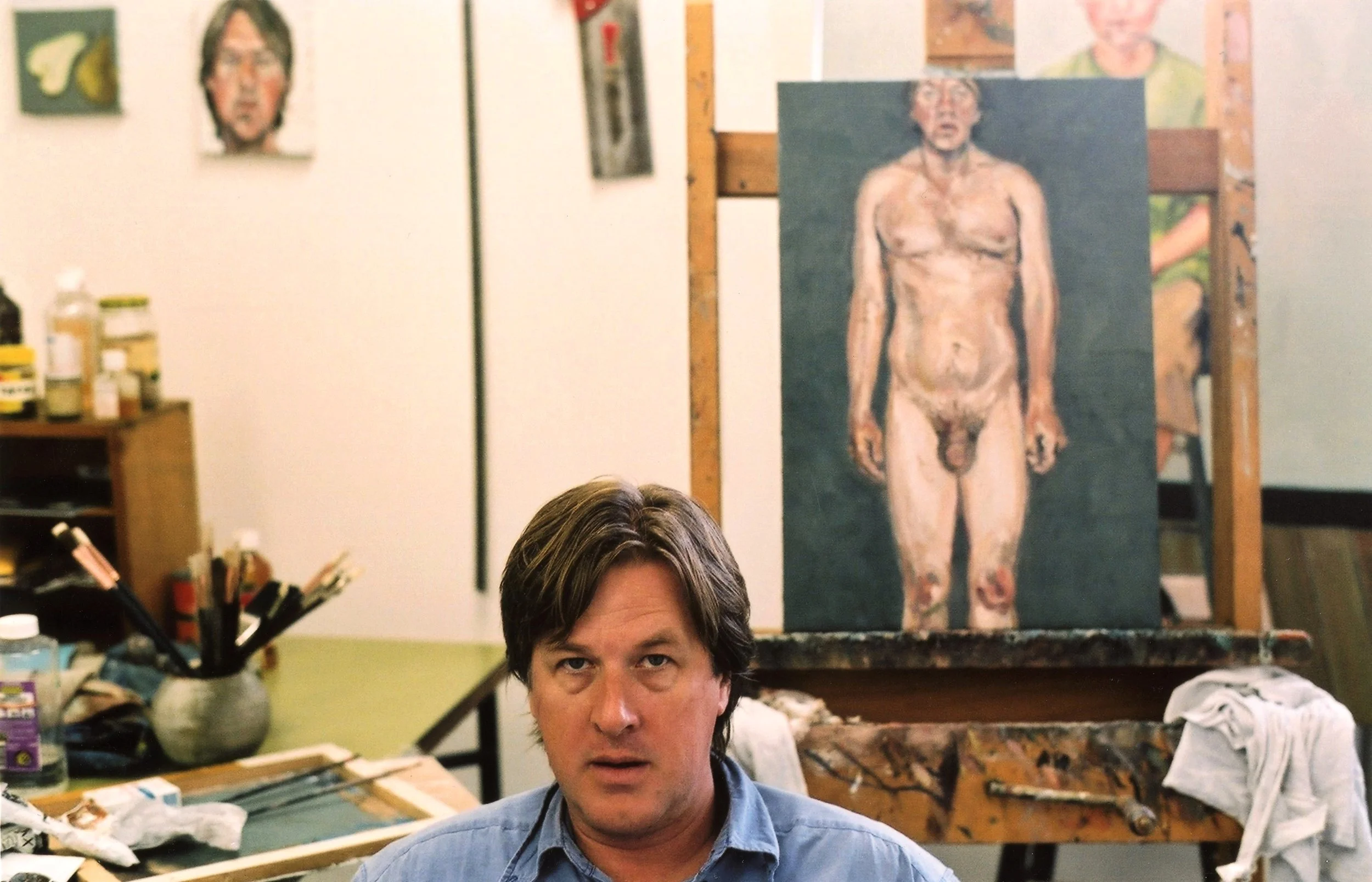
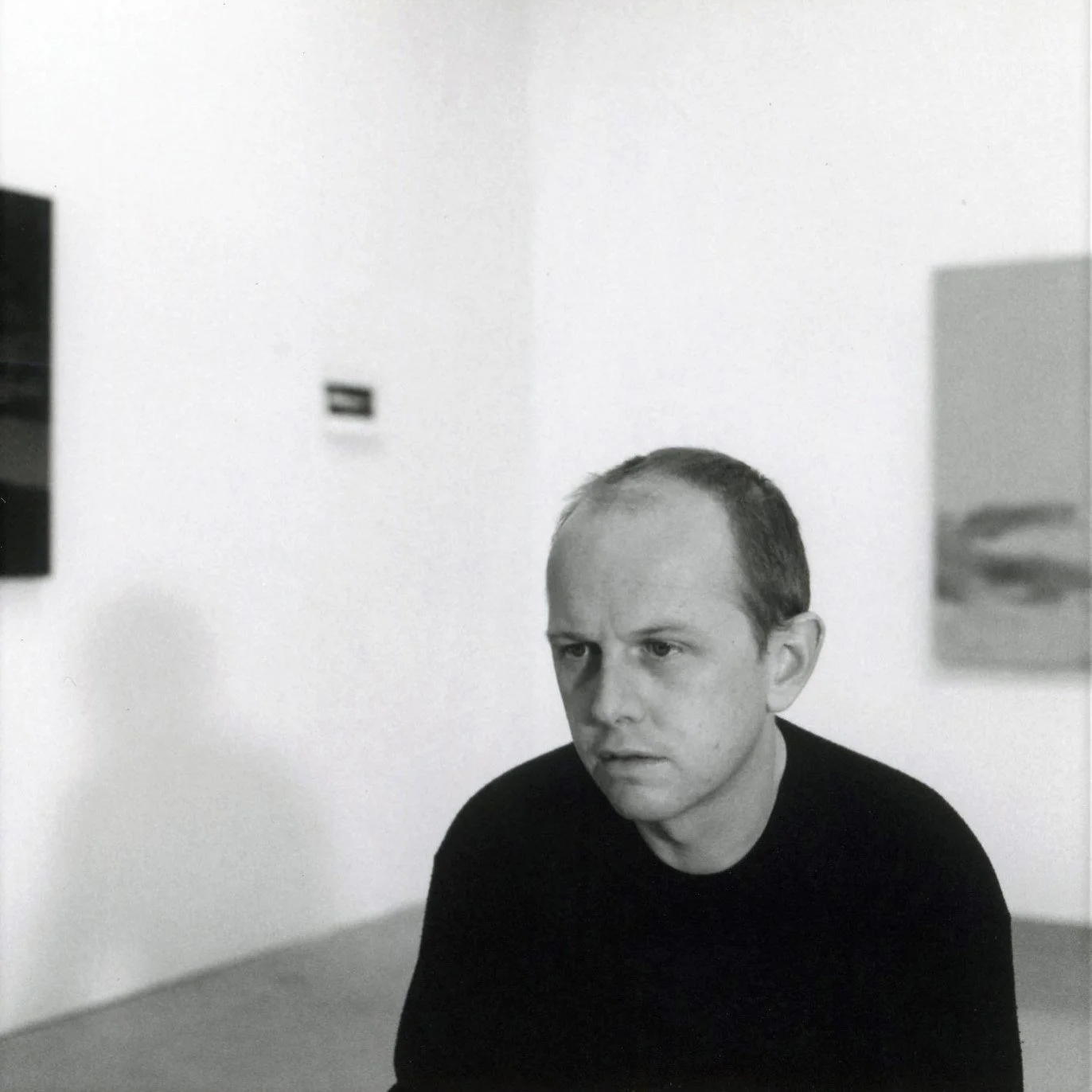
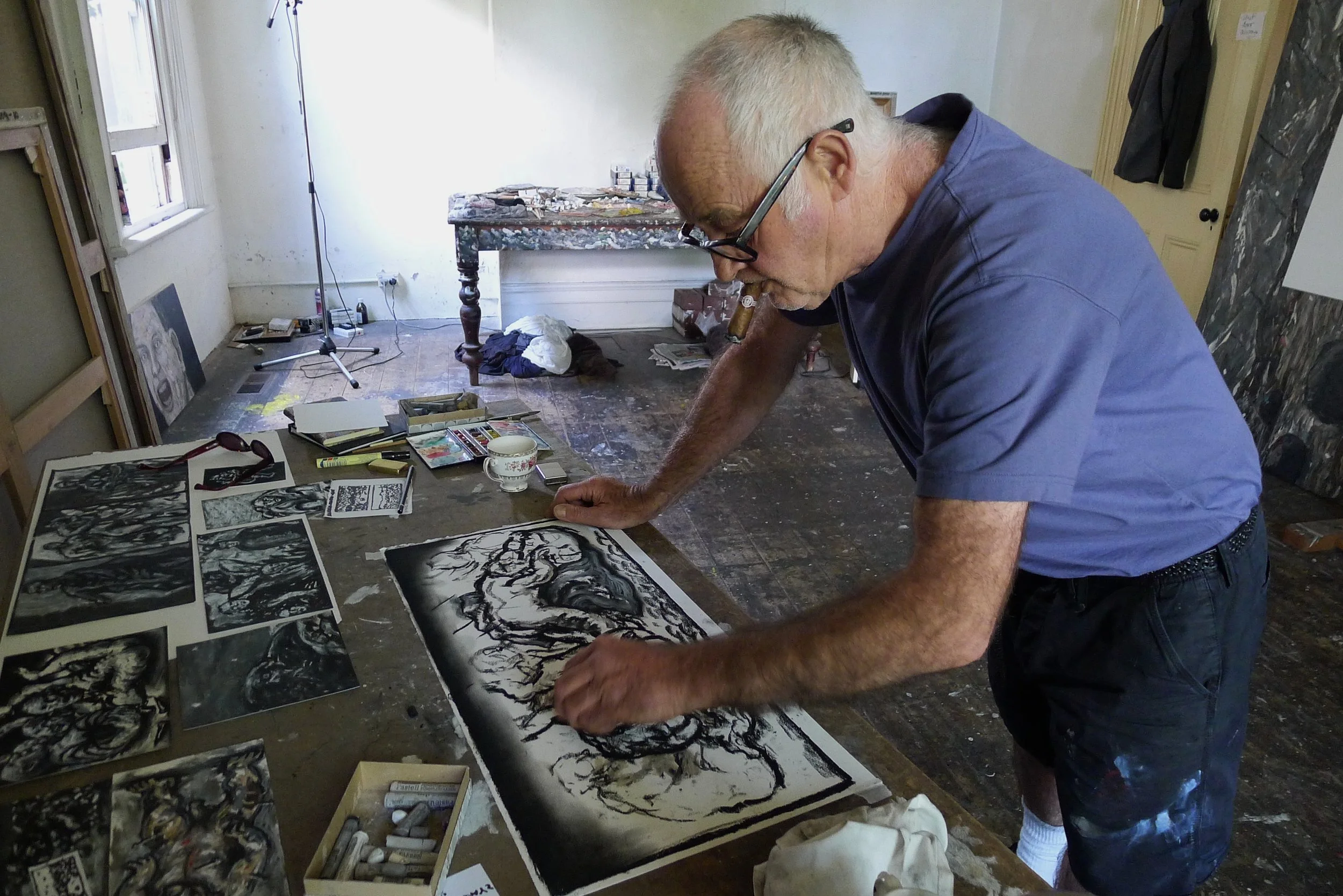
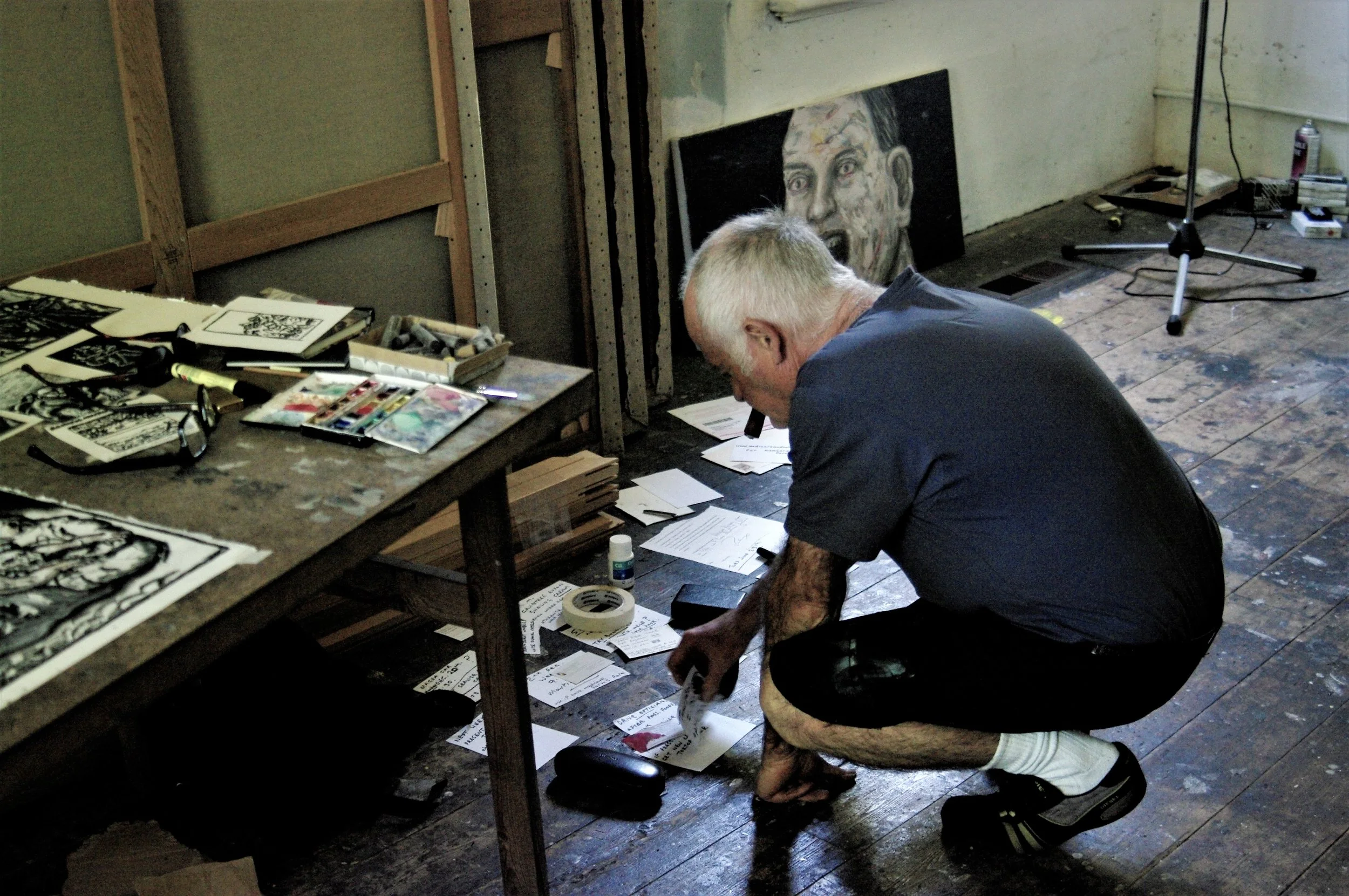
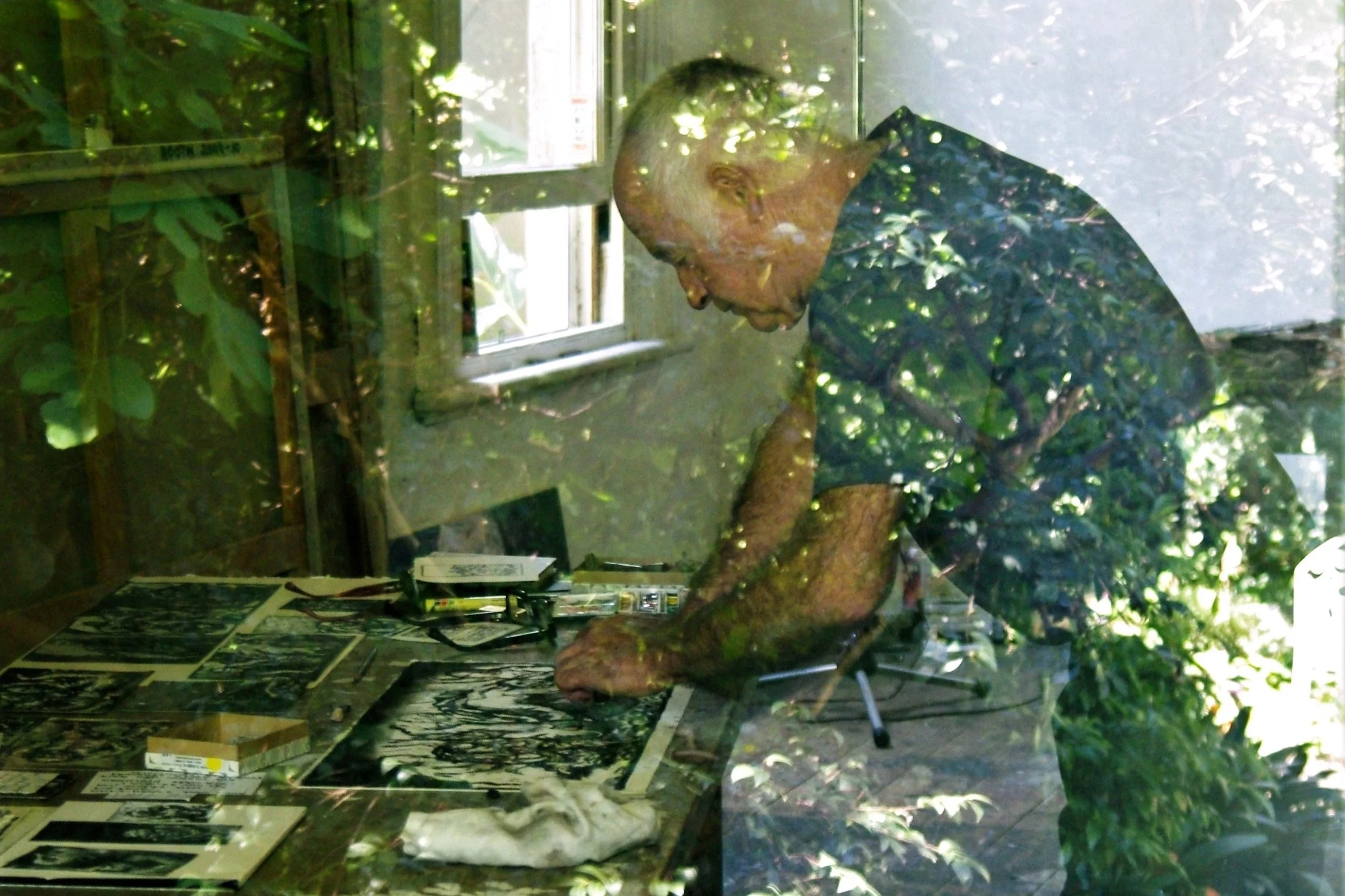
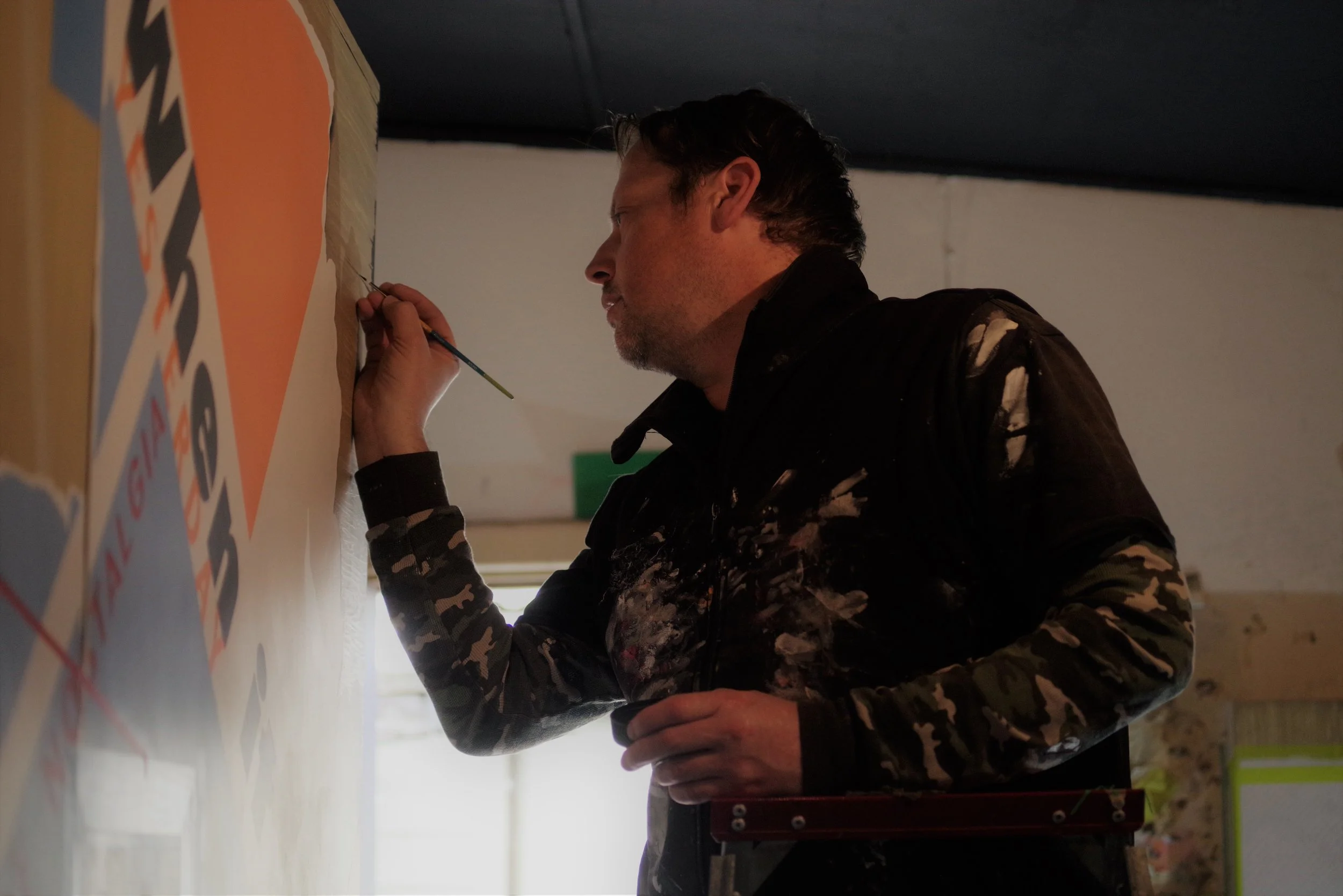
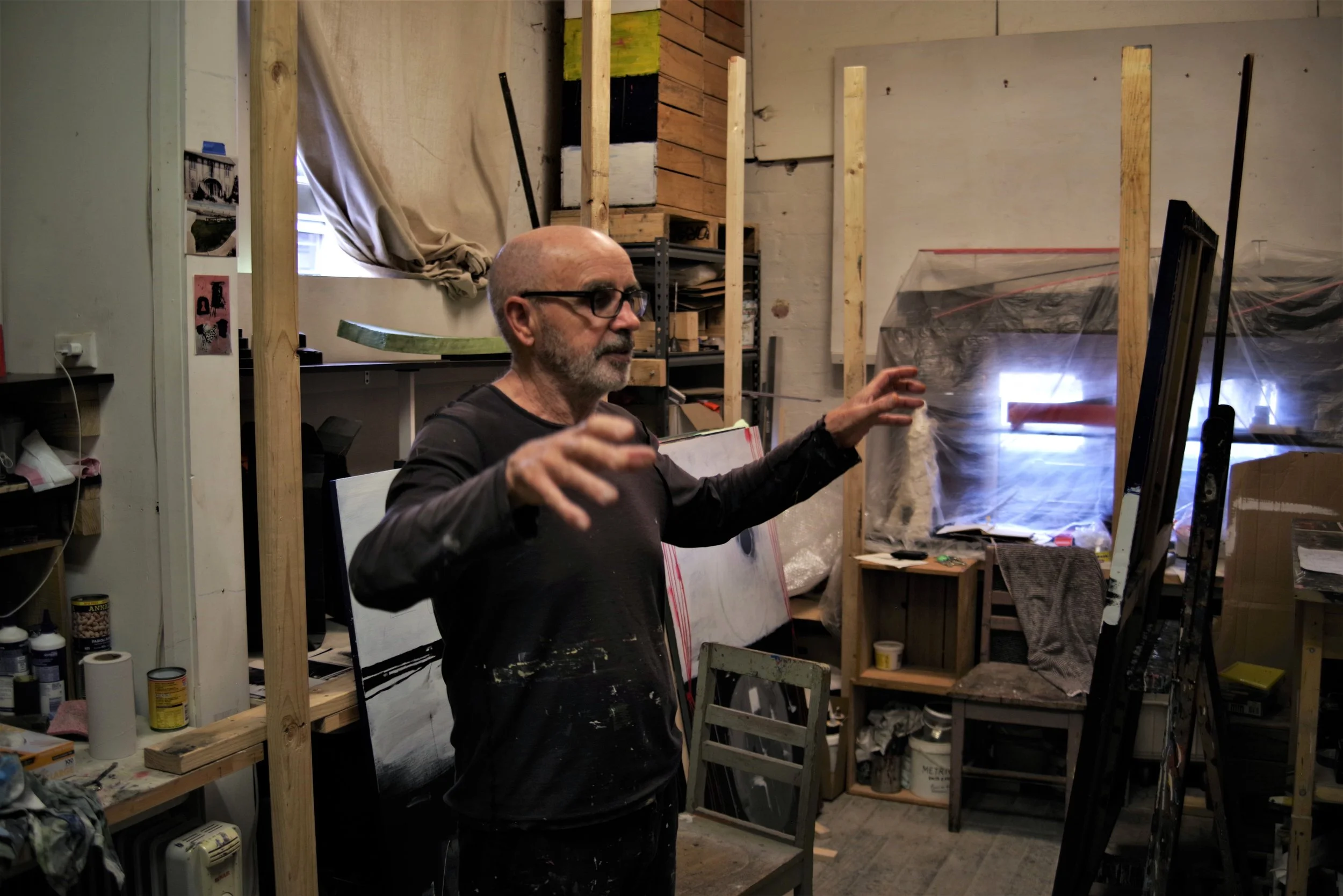
Waterman’s portraits reveal a sensitivity to his subjects and their surroundings. Whether carefully constructing an image or observing artists at work in their studios, he captures a presence that extends beyond physical likeness. Gesture, posture, light and the objects within a space offer insight into the sitter’s character and working life. His ability to recognise the significance of ordinary moments gives the photographs a quiet psychological depth. The portraits are both intimate and restrained, revealing something of the individual while leaving much to the viewer’s imagination.
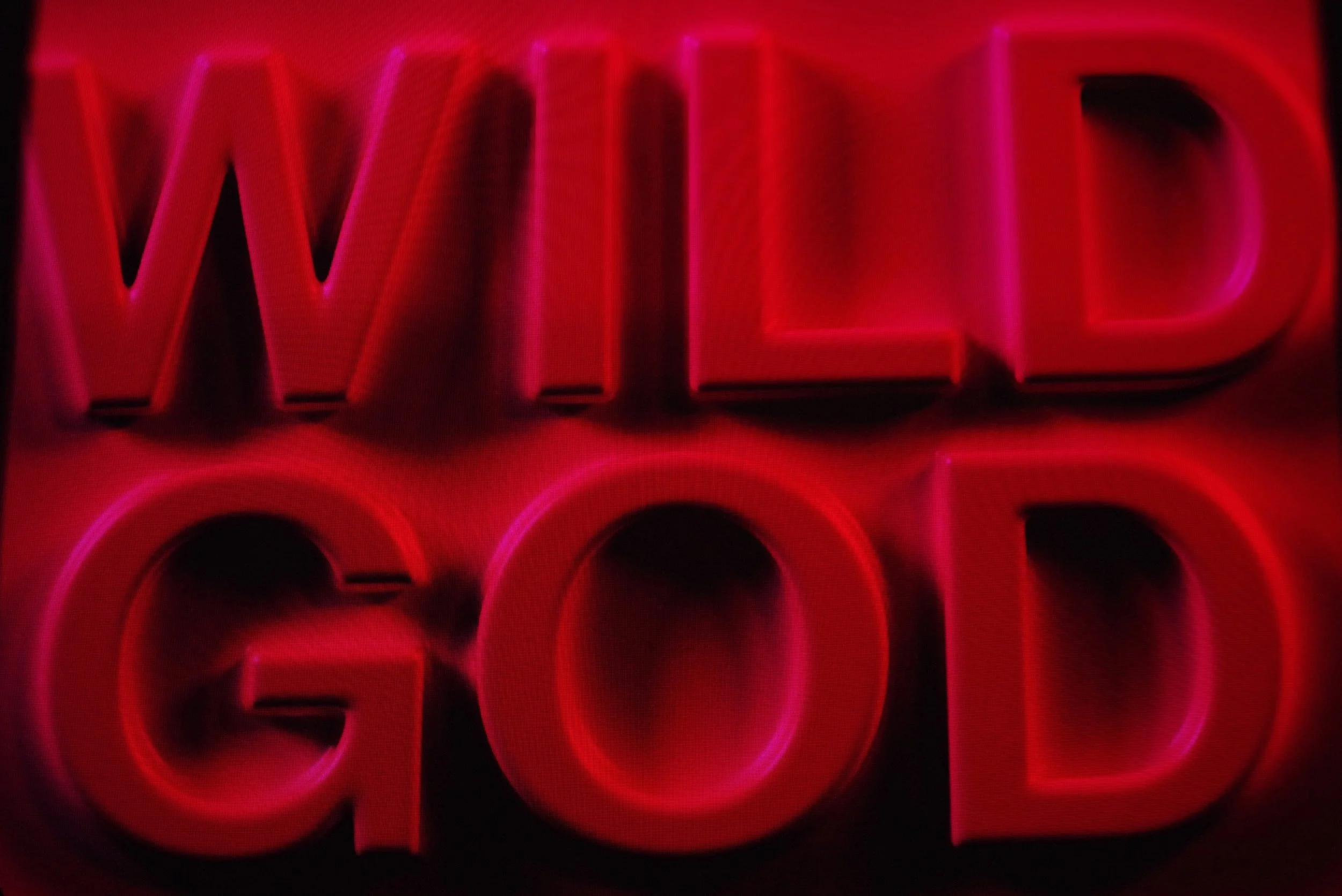
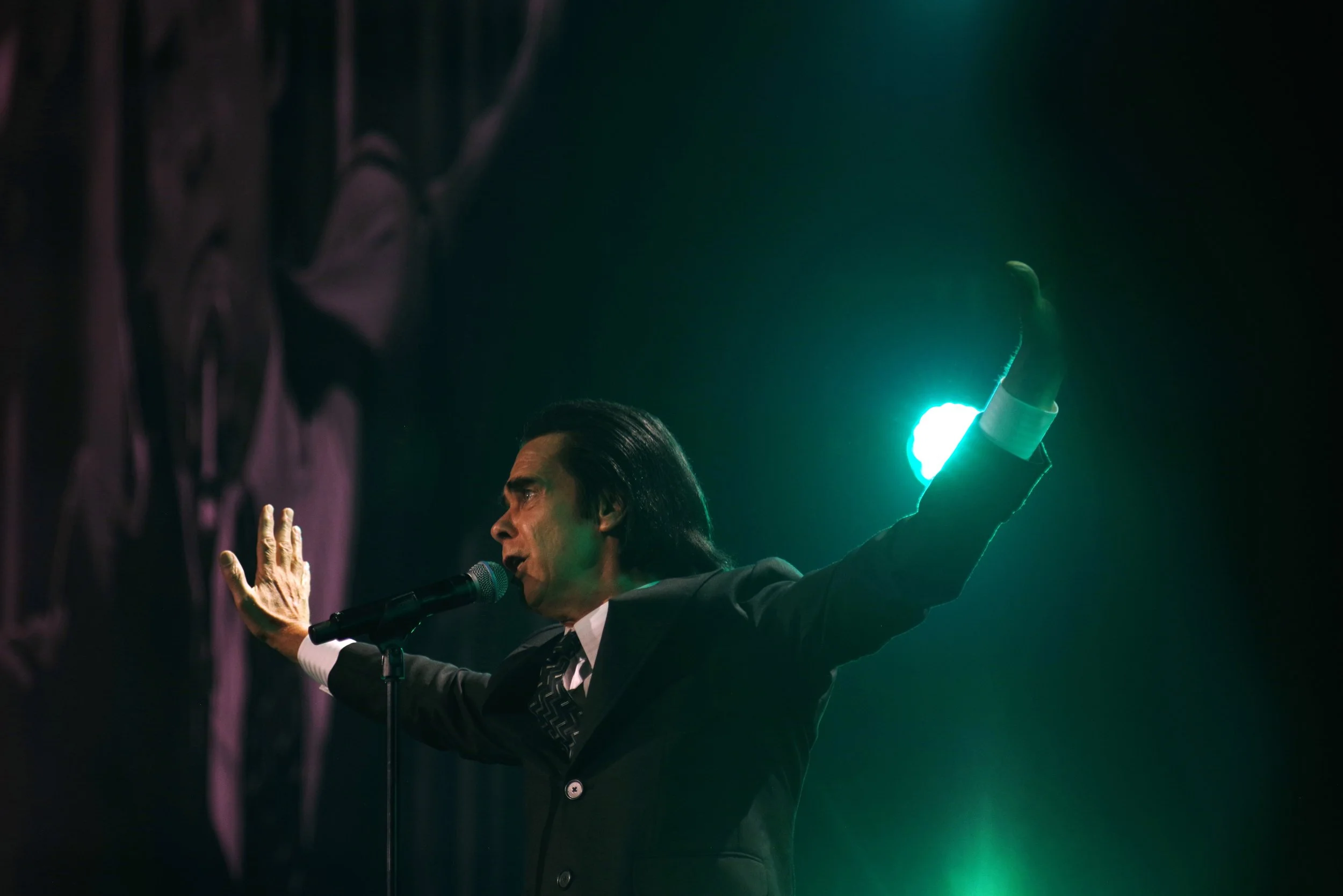
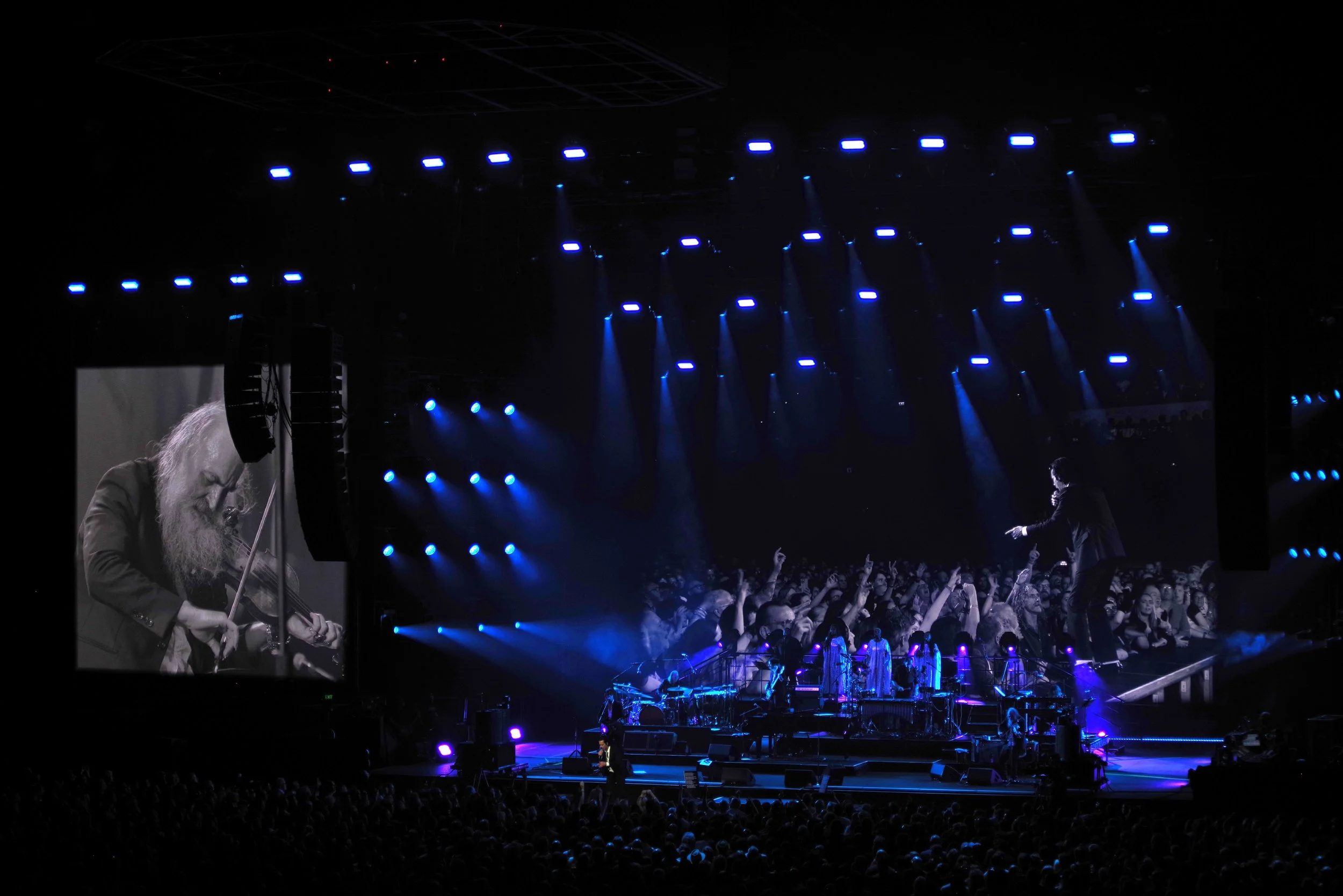
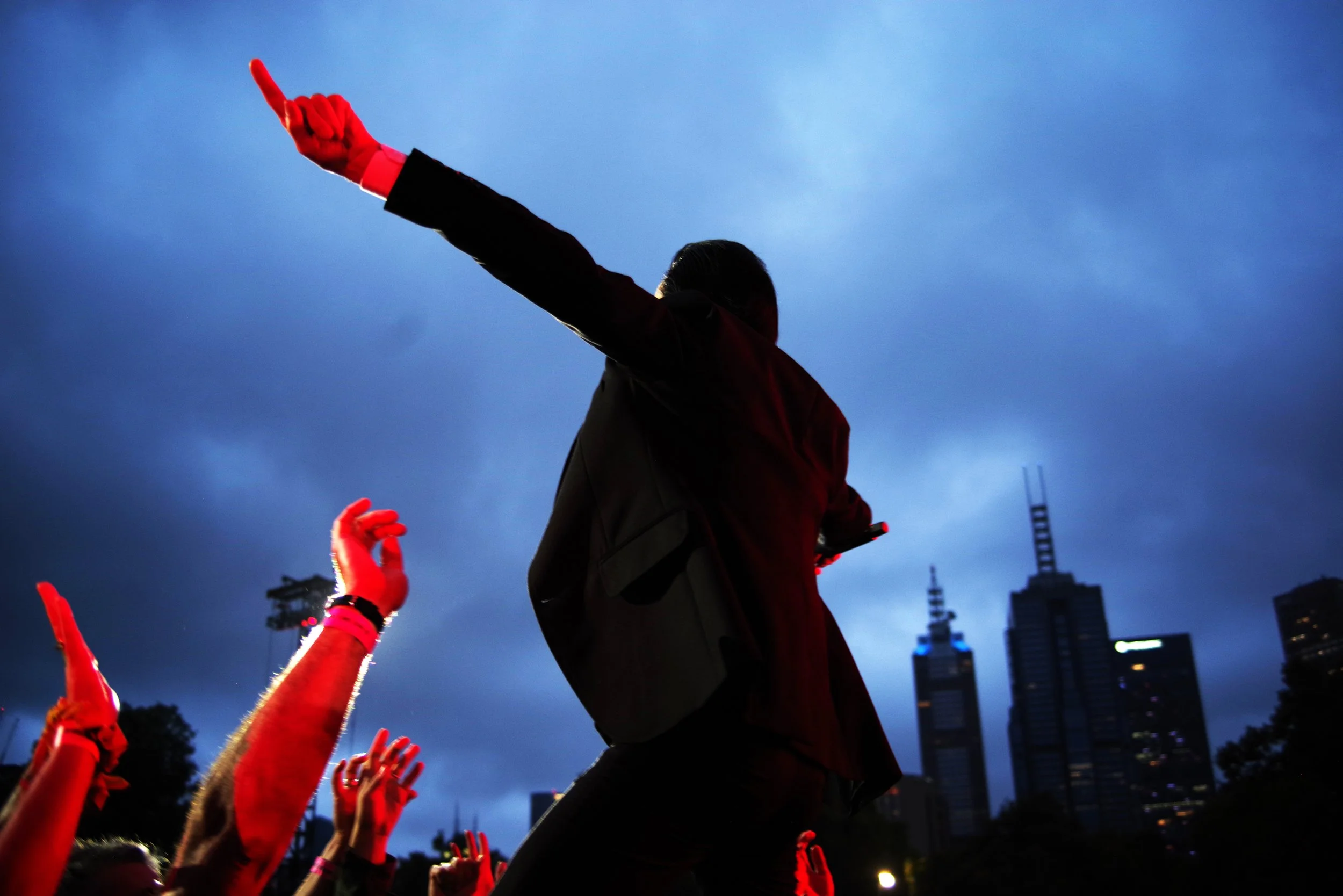
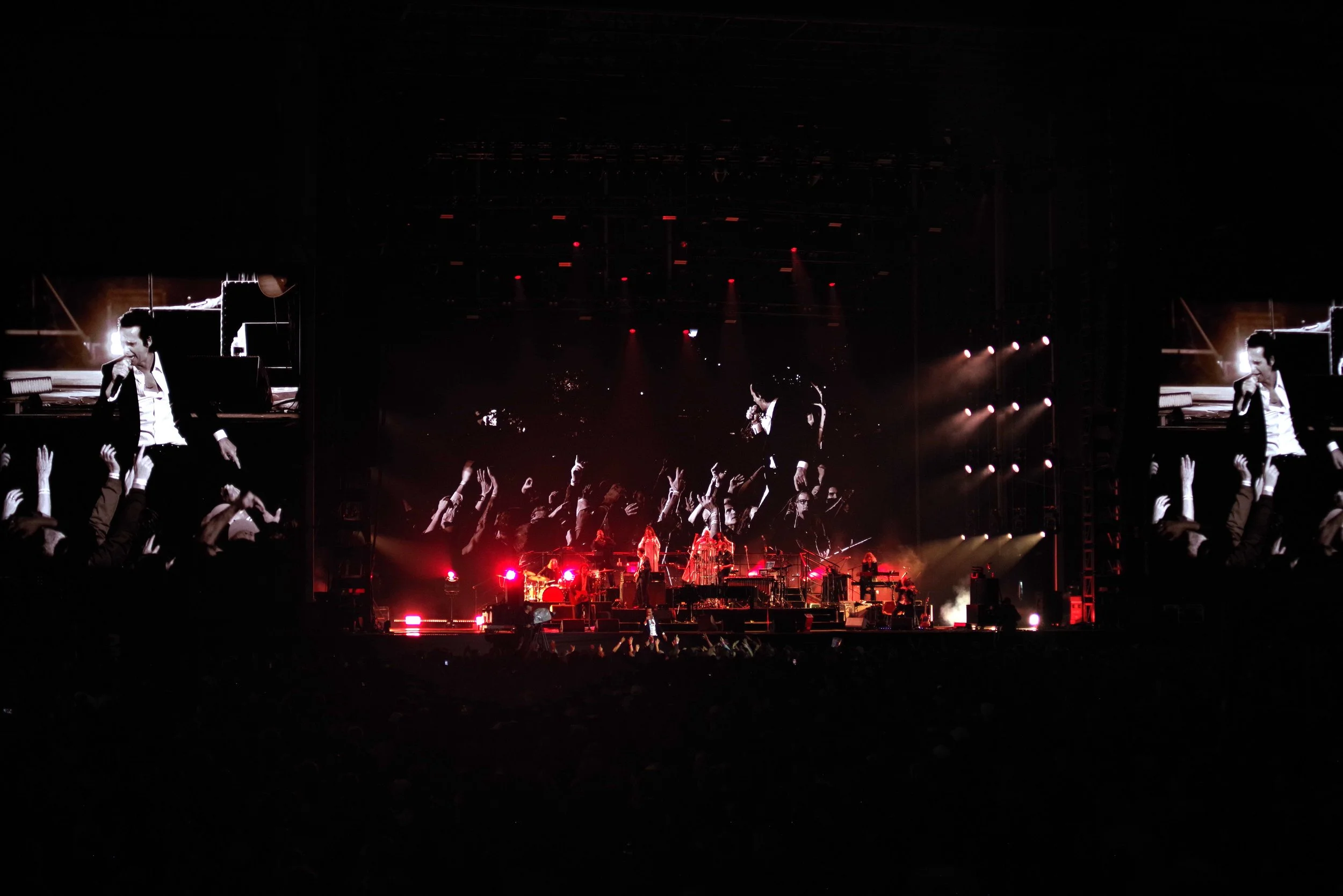
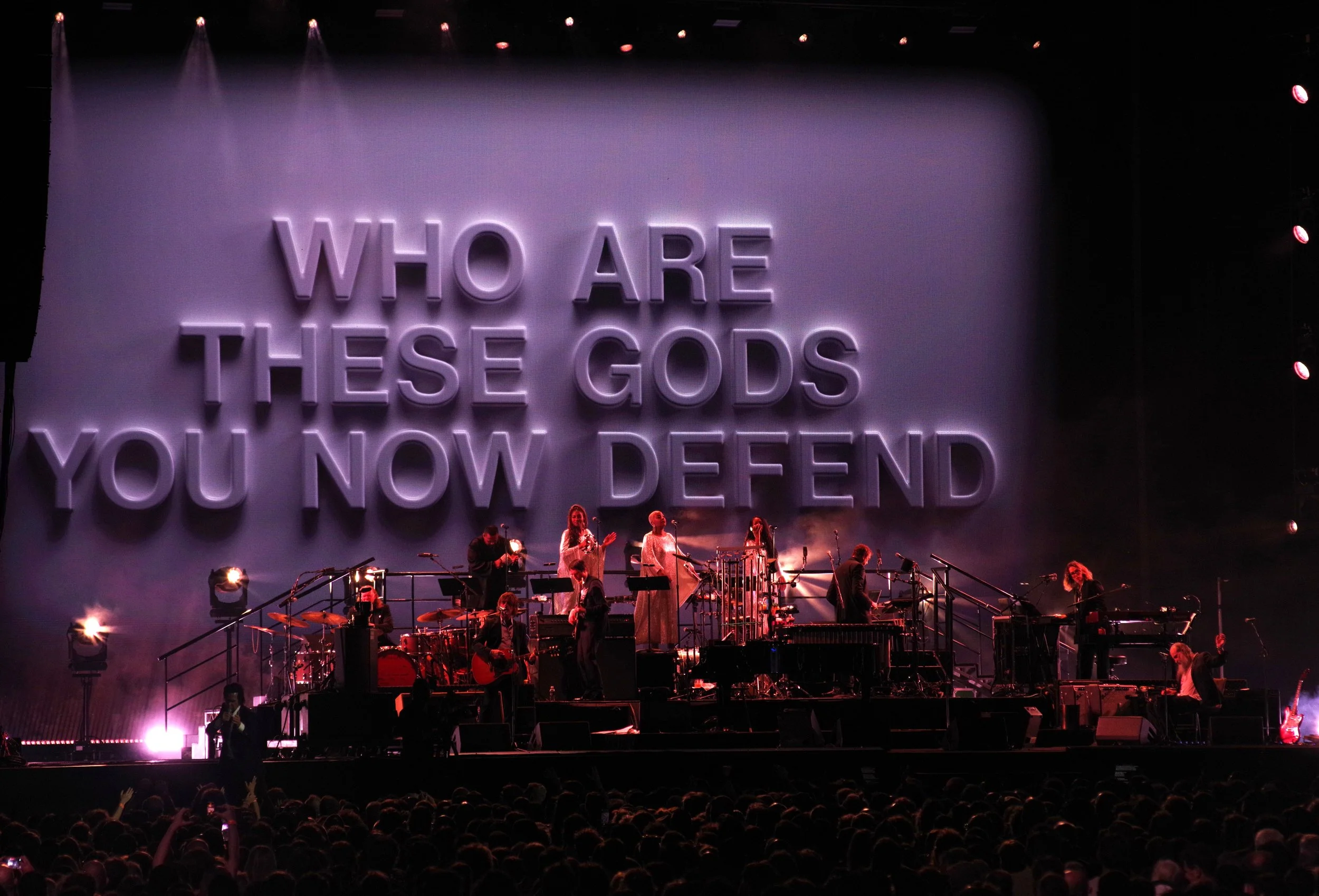
This attentiveness to the moment extends to Waterman’s photographs of live music. Taken during six performances by Nick Cave and the Bad Seeds on their Wild God tour, the 36 images move beyond conventional concert photography. Distorted projections, dramatic lighting, fragmented figures and uncertain depths transform the stage into compositions approaching abstraction. Working amid constant movement, Waterman captures fleeting arrangements of light, form and atmosphere. The photographs convey the intensity of performance, translating the energy of music into a visual experience.
Waterman’s photographic montages explore another form of transformation. Drawing on a practice developed since the late 1970s, he brings together fragments of landscapes, artworks, interiors, objects and musicians. Removed from their original settings, these images acquire new meanings through unexpected juxtapositions. Their abstract configurations evoke the associative logic of dreams, inviting connections that resist a fixed narrative.
Across these bodies of work, Waterman moves between the deliberate construction of an image and an openness to chance. Whether photographing an artist in their studio, responding to the intensity of performance or assembling disparate images, he finds possibilities in the unexpected.
In The Three-Body Problem, these approaches come together without being reconciled. Each influences how the others are seen, creating relationships that remain open to interpretation.